FIFA Confirms Mexico’s Pivotal Role in World Cup 2026 Hosting Plans
This confirmation solidifies key details for the upcoming global football spectacle, impacting preparations and fan expectations.
FIFA has officially confirmed Mexico’s significant role in the upcoming FIFA World Cup 2026 hosting plans, including its participation in an opening fixture scheduled for June 11 at the iconic Azteca Stadium in Mexico City. The match will see Mexico face South Africa, marking a crucial step in the preparations for the expanded international tournament. This announcement provides clarity on one of the three co-host nations’ contributions, alongside the United States and Canada, as the global football community anticipates the unprecedented 48-team event.
Key Developments
The confirmation from FIFA reiterates Mexico’s established position as a co-host for the 2026 World Cup. Beyond merely sharing hosting duties, Mexico is set to stage a significant early fixture, with the national team playing on home soil. This particular match is scheduled for June 11, 2026, at the Estadio Azteca. The designated opponent for this highly anticipated opening game is South Africa, a detail that provides fans and national teams with specific information well in advance of the tournament.
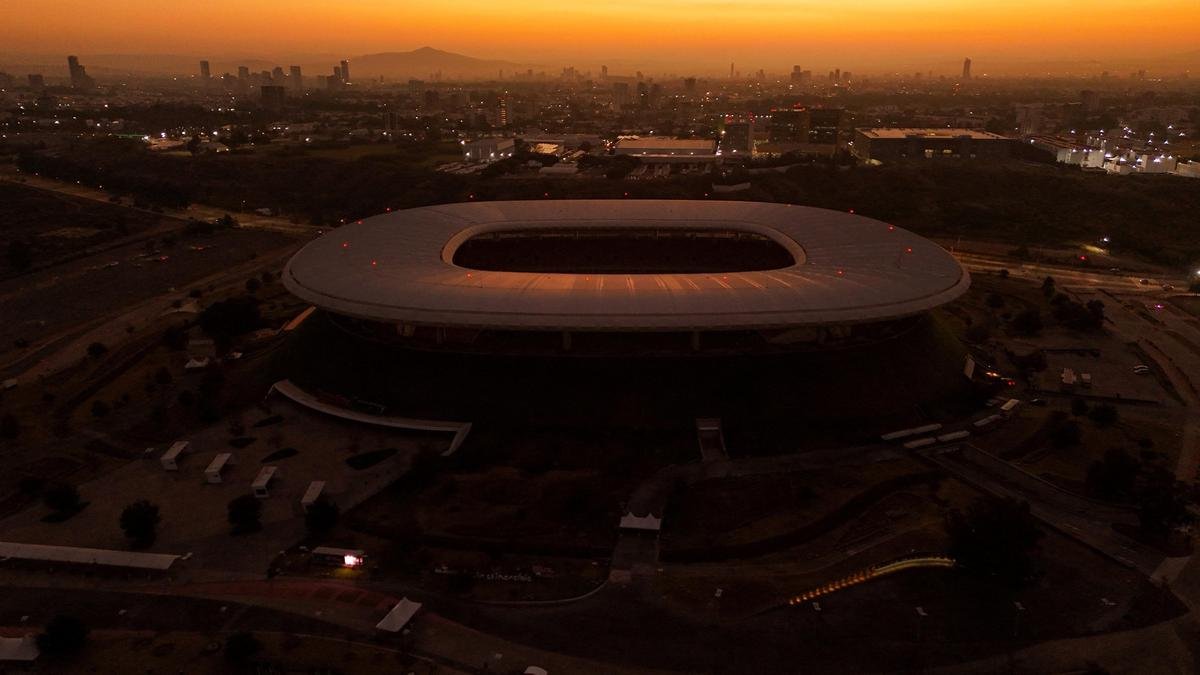
The Azteca Stadium, a venue steeped in World Cup history, will once again be central to the tournament. Its selection for one of the opening matches underscores its symbolic importance in global football. The full tournament format will feature 48 teams competing across 16 host cities spread throughout the three North American nations. This expansion from the traditional 32-team format represents the largest World Cup to date, presenting unique organizational and logistical challenges that FIFA and the host countries are actively addressing.
Mexico’s capital, Mexico City, is one of three Mexican cities chosen to host matches, alongside Guadalajara and Monterrey. Each city is undertaking significant preparatory work to ensure world-class facilities and infrastructure are in place for the influx of teams, officials, and supporters. The allocation of specific matches, particularly an opening fixture, highlights Mexico’s integral contribution to the overall success and grandeur of the FIFA World Cup 2026 Hosting arrangement.
Official Statements
The confirmation regarding Mexico’s FIFA World Cup 2026 hosting details has been articulated by FIFA officials, providing definitive information on the tournament’s initial stages. While specific direct quotes were not provided, the nature of the announcement signals a clear and authoritative communication from the global football governing body. These pronouncements are integral to setting the stage for the tournament, offering a firm schedule and venue for a key match. FIFA President Gianni Infantino has consistently emphasized the collaborative spirit and extensive planning involved in organizing the 2026 event across the three co-host nations.
These statements underscore FIFA’s commitment to delivering a seamless and spectacular tournament across all host nations. The focus of such pronouncements is typically on the robust planning underway, the strong collaboration between FIFA and the organizing committees in Mexico, Canada, and the United States, and the excitement building for an event of this scale. The explicit confirmation of Mexico’s opening match details serves to remove any ambiguity regarding its role and schedule, allowing for focused preparations by all stakeholders.
Such official communications are vital for guiding national federations, host cities, and commercial partners in their planning efforts. They set the operational framework for the tournament, providing a solid foundation upon which all subsequent logistical, security, and promotional activities can be built. The clarity offered by FIFA’s announcements is critical for the myriad moving parts involved in organizing a global sporting event of the World Cup’s magnitude, ensuring that all partners are aligned on key dates and venues.
Background Context
Mexico boasts a distinguished history as a FIFA World Cup host, a legacy that will be further cemented in 2026. The nation previously hosted the tournament in 1970 and 1986, making it the first country to host the men’s World Cup three times. This deep experience provides a unique foundation for its role as a co-host in the upcoming edition, leveraging decades of organizational knowledge and a deeply ingrained football culture.
The Estadio Azteca, specifically, holds legendary status in football lore. It is the only stadium in the world to have hosted two FIFA World Cup finals, witnessing both Pelé in 1970 and Diego Maradona in 1986 lift the coveted trophy. Its iconic architecture and historical significance make it a fitting venue for one of the opening fixtures of the 2026 tournament, ensuring a ceremonial start to the competition in a stadium celebrated globally for its football heritage. This venue’s readiness is a testament to the ongoing commitment to Mexico World Cup 2026 Hosting responsibilities.
The decision to award the 2026 World Cup to the “United Bid” — a joint proposal from the United States, Canada, and Mexico — marked a departure from single-nation hosting, reflecting FIFA’s vision for broader geographic representation and shared responsibilities. This collaborative model aims to leverage the extensive infrastructure and passionate fan bases across North America. Mexico’s inclusion in this bid was a testament to its enduring passion for football and its proven capability to host major international events, ensuring a truly continental celebration of the sport.
The journey from bid to confirmed hosting duties involves extensive evaluations by FIFA, covering everything from stadium infrastructure and training facilities to transportation networks and security plans. Mexico’s successful navigation of this rigorous process highlights its readiness and commitment to upholding the high standards expected of a World Cup host nation, building on its rich legacy.
What Happens Next
With the confirmation of Mexico’s opening fixture and its continued pivotal role, the focus now intensifies on the operational readiness for the FIFA World Cup 2026. For Mexico, this means accelerating preparations across its host cities. Estadio Azteca, for example, is undergoing significant modernization and renovations to meet FIFA’s contemporary standards while preserving its historic character. Similar upgrades and logistical planning are in progress for venues in Guadalajara and Monterrey, encompassing everything from pitch conditions to spectator amenities.
Beyond stadium infrastructure, extensive planning is required for transportation, accommodation, security, and fan zones to cater to the millions of visitors expected to descend upon the host regions. Local organizing committees, in conjunction with governmental bodies, will be working tirelessly to ensure all aspects of the tournament run smoothly and safely. This includes developing robust emergency response plans and enhancing urban services to manage the influx of international tourists and media.
From a sporting perspective, the Mexican national team will begin tailoring its preparations with a clear understanding of its opening fixture details. Playing at home in an opening match will present both a significant advantage and immense pressure, requiring a meticulous approach to team building and tactical development in the lead-up to June 2026. The next phase will also involve more detailed announcements from FIFA regarding the full match schedule, ticket sales, and volunteer programs across all three host nations, further building anticipation for the global spectacle.
This period leading up to the tournament will also be marked by sustained efforts in marketing and promotion, aiming to engage football fans worldwide. The tripartite hosting arrangement necessitates close coordination between the organizing bodies of the United States, Canada, and Mexico to ensure a unified and cohesive promotional strategy that highlights the unique cultural contributions of each host country and the grandeur of the overall event.
Mexico’s confirmed role and the specific details of its opening match reinforce the country’s central position in the FIFA World Cup 2026, promising a vibrant and historically significant start to the expanded tournament. As preparations advance, the eyes of the football world will increasingly turn towards North America, anticipating a truly global celebration of the sport.
About the Author