Navigating Executive Authority and Congressional Oversight in U.S. Foreign Policy Decisions
Washington, D.C. | March 2, 2026
What Happened
The constitutional allocation of war-making authority between the U.S. President and Congress continues to be a central subject of debate, particularly as the nation confronts complex international challenges. Discussions frequently center on the extent of executive branch power to initiate military action without explicit congressional authorization, raising questions about the balance of powers in national security decisions and the implications for U.S. engagement in sensitive regions, including with countries like Iran.
Key Details
The U.S. Constitution divides responsibility for national security and foreign policy between the executive and legislative branches. Article I grants Congress the power to “declare War,” “raise and support Armies,” and “provide and maintain a Navy.” Conversely, Article II designates the President as “Commander in Chief of the Army and Navy of the United States.” This division has historically led to varying interpretations and practical applications of presidential war powers, especially in the absence of a formal declaration of war.
Throughout American history, presidents have frequently engaged in military actions without a formal declaration of war from Congress. Significant examples include the Korean War, the Vietnam War (following the Gulf of Tonkin Resolution), military interventions in the Balkans, and numerous counterterrorism operations across various administrations. These actions have often been justified by presidents citing their authority as Commander-in-Chief to protect national interests, respond to attacks, or deter aggression.
Following the Vietnam War, congressional efforts to reassert its role led to the enactment of the War Powers Resolution of 1973. This legislation mandates that the President consult with Congress “in every possible instance” before introducing U.S. armed forces into hostilities or situations where hostilities are imminent. It also requires the President to submit a report to Congress within 48 hours of introducing forces into such situations. Furthermore, the Resolution stipulates that if Congress has not declared war or specifically authorized the use of force, the President must withdraw forces within 60 days (with a potential 30-day extension) unless Congress has approved continued deployment.
Despite the War Powers Resolution, its effectiveness in limiting presidential war powers has been a consistent point of contention. Presidents from both parties have often viewed the Resolution as an infringement on their constitutional authority, sometimes complying with its reporting requirements while asserting that the underlying constitutional framework grants them broader inherent powers. Critics argue that the Resolution has often been circumvented, or that Congress has been reluctant to enforce its provisions, contributing to what some describe as an “imperial presidency” in matters of foreign policy.
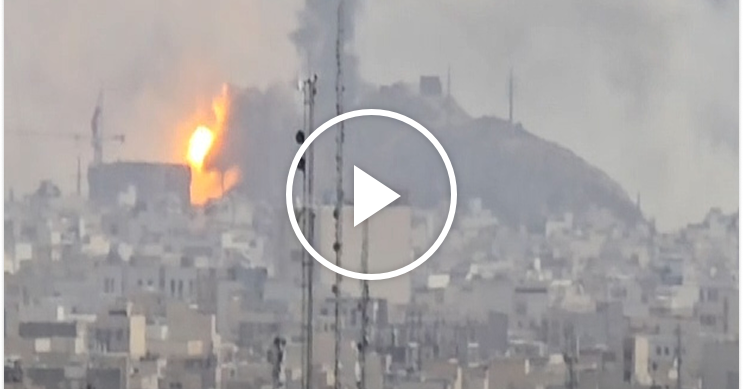
The ongoing complexities surrounding U.S. foreign policy, particularly concerning nations like Iran, frequently bring the debate over presidential war powers into sharp focus. The relationship between the U.S. and Iran has been characterized by decades of tension, including disputes over Iran’s nuclear program, regional influence, and support for various non-state actors. Decisions regarding sanctions, diplomatic engagement, and the potential for military action in response to perceived threats or provocations often involve the executive branch considering its options within this delicate constitutional framework.
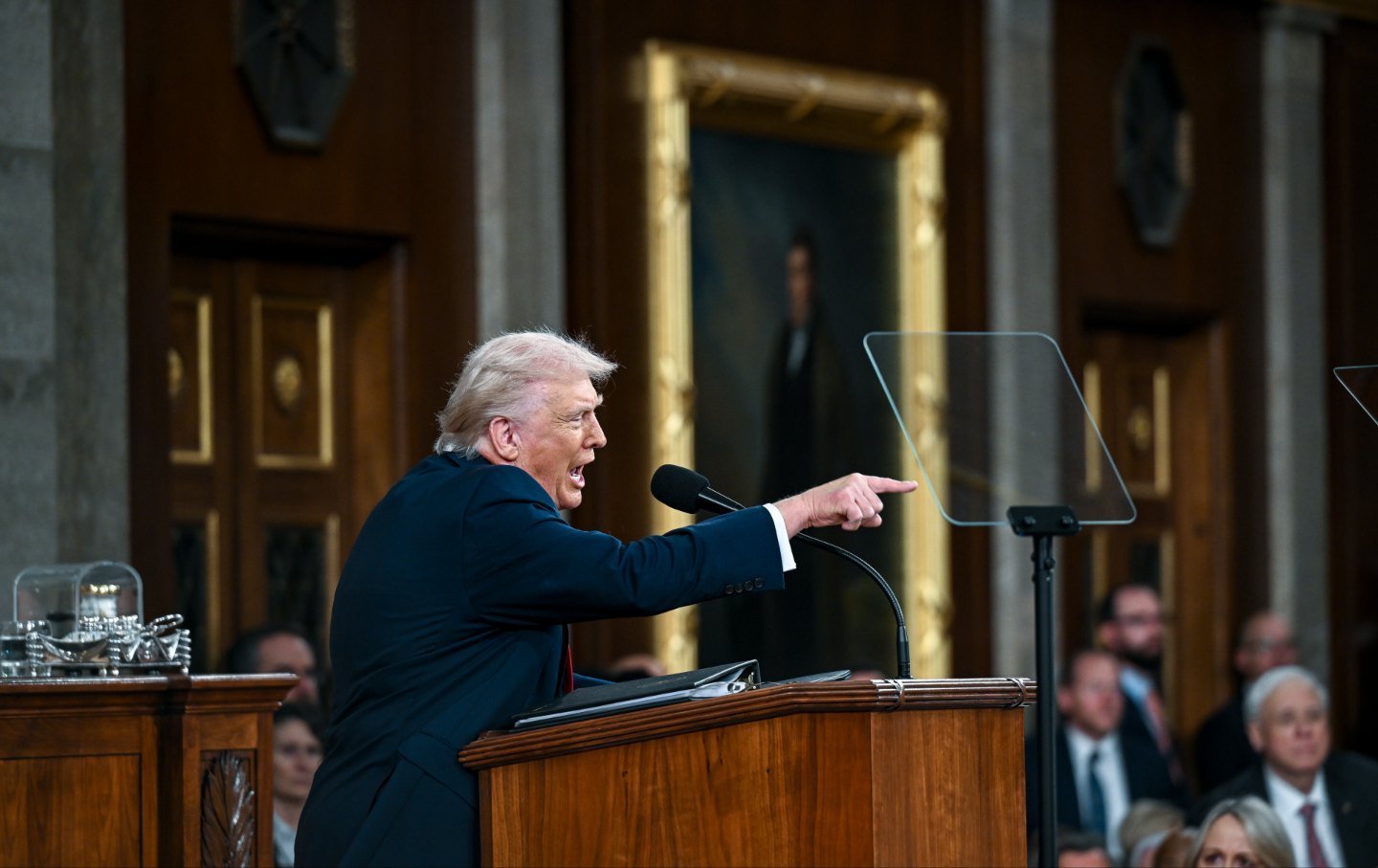
Members of Congress often express concerns about the potential for unilateral executive action, emphasizing the importance of legislative deliberation and approval for significant military engagements. These concerns stem from a desire to ensure accountability, garner broader public and political support for military actions, and uphold the constitutional design for checks and balances. Conversely, proponents of robust executive authority argue that in rapidly evolving international security environments, the President requires flexibility and swift decision-making capacity as Commander-in-Chief.
The Authorization for Use of Military Force (AUMF) passed in 2001, following the September 11th attacks, provides another lens through which to examine presidential war powers. Initially intended to authorize military action against those responsible for the attacks, its broad language has been invoked by subsequent administrations to justify military operations against various terrorist groups globally, far beyond its original scope. This expansive interpretation has prompted calls from some in Congress to repeal or significantly revise existing AUMFs to restore congressional oversight and rein in executive authority in contemporary conflict zones.
Why It Matters
The consistent debate over presidential war powers carries significant implications for American democracy, the effectiveness of U.S. foreign policy, and the nation’s standing on the global stage. Clarifying the boundaries of executive authority and congressional oversight is crucial for ensuring that military engagements are undertaken with broad political consensus, constitutional legitimacy, and democratic accountability.
What’s Next
Discussions regarding the balance of presidential war powers are expected to continue in both academic and governmental spheres. Congressional committees regularly conduct hearings and propose legislation aimed at refining the War Powers Resolution or repealing/revising outdated AUMFs. Future legislative efforts may seek to delineate more clearly the circumstances under which the President can deploy military force without explicit congressional authorization, particularly in response to emerging geopolitical challenges and in regions of ongoing concern, such as in the context of U.S.-Iran relations. The ongoing dialogue underscores the dynamic nature of constitutional interpretation in foreign policy and national security decision-making.
Source: https://www.thenation.com/podcast/archive/ttom-030226/
About the Author