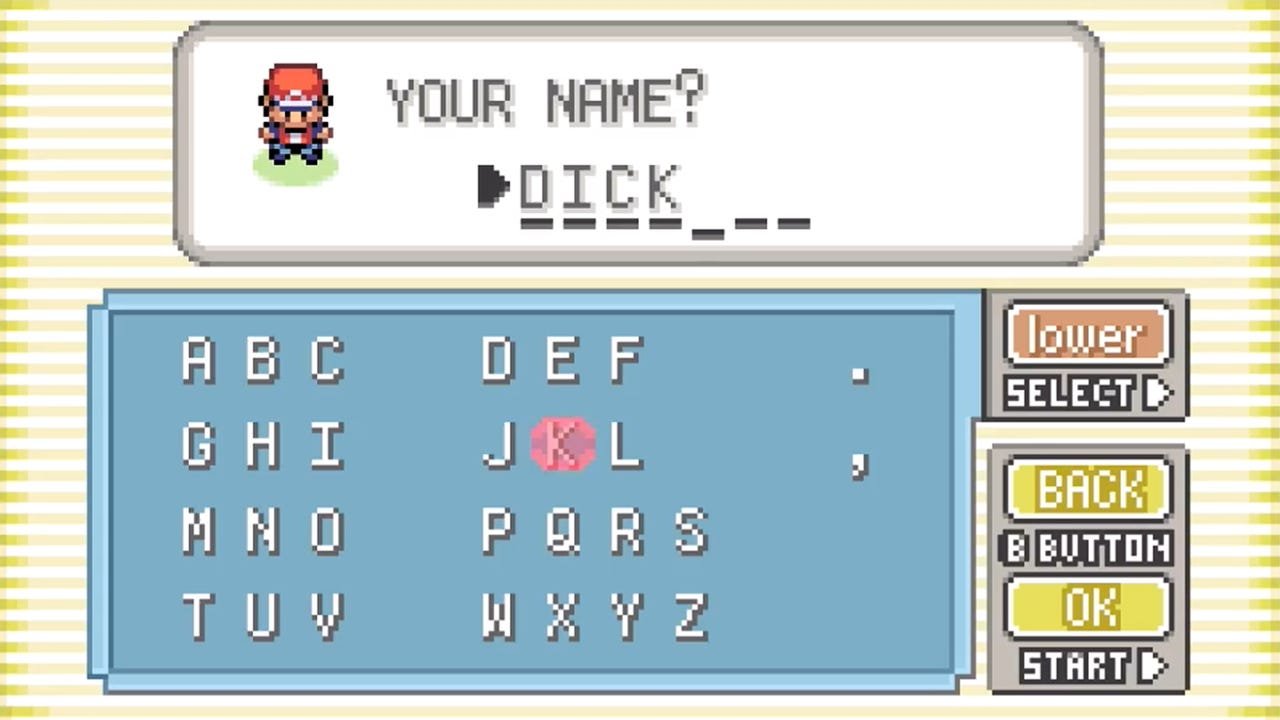
Pokémon FireRed and LeafGreen Re-Releases Incorporate Swear Filter for Rival Naming
Redmond, WA | October 26, 2023
The recent re-releases of Pokémon FireRed and LeafGreen, classic role-playing games originally launched for the Game Boy Advance, have introduced a new swear filter. This implementation specifically affects the naming of the player’s rival character, limiting the use of offensive or inappropriate language during this customization process. This change marks an update to the player experience in these popular titles, aligning them with contemporary content moderation standards.
The Pokémon franchise, a global phenomenon that originated in Japan, has captivated audiences for decades across video games, animated series, trading cards, and merchandise. Its core appeal lies in the journey of a Pokémon Trainer, who catches, trains, and battles various creatures to become the Pokémon League Champion. Central to this experience is interaction with a rival trainer, a character designed to challenge the player’s progress and provide narrative depth throughout the adventure.
Key Details
The entities involved in this development primarily include Nintendo, as the platform holder and publisher; The Pokémon Company, responsible for brand management; and Game Freak, the original developer of the core series games. Players engaging with these re-released versions of Pokémon FireRed and LeafGreen are the direct audience affected by the new naming restrictions.
Specifically, the re-releases of Pokémon FireRed and LeafGreen, which are Generation III titles that served as enhanced remakes of the very first Pokémon Red and Blue games, now feature a comprehensive text-filtering system. This system actively scans player-inputted text when assigning a name to the in-game rival. If the chosen name contains words or phrases that the filter identifies as offensive, profane, or otherwise inappropriate, the player is prevented from using it. This is a departure from the original Game Boy Advance versions, which, like many games of their era, generally offered fewer, if any, restrictions on player input for character naming.
The tradition of players giving their rival unique and often humorous names has been a long-standing element of the Pokémon experience. For some, this creative freedom extended to using names that were considered rude, silly, or slightly vulgar, adding a layer of personal humor to their playthroughs. This practice has become a minor but notable aspect of player customization, fostering a sense of individual ownership over the game’s narrative. The introduction of the **Pokémon FireRed LeafGreen swear filter** directly addresses and curtails this specific aspect of player expression.
These particular games, first released in 2004, are significant within the franchise as they brought the beloved Kanto region and its original 151 Pokémon into the then-current graphics and gameplay mechanics of the Game Boy Advance. Their re-release on modern digital platforms, such as through subscription services like Nintendo Switch Online’s Game Boy Advance library, often allows for the integration of updated backend features. These features can include enhanced emulation, online functionalities, and, as demonstrated here, content moderation tools that were not present or technologically feasible in their original cartridge format.
While no explicit press release from Nintendo or The Pokémon Company has been issued specifically to announce the implementation of the **Pokémon FireRed LeafGreen swear filter**, its presence within the games is evident through player discovery and systematic testing. The consistent application of content moderation across various modern online and re-released titles aligns with a broader industry-wide strategy. This strategy aims to maintain a family-friendly brand image, ensure a safe and respectful play environment, and adhere to evolving digital standards, especially crucial for a franchise like Pokémon, which garners a substantial audience of children and young adults globally. This implicit policy communication underscores a proactive approach to content governance in re-issued classic titles.
Why It Matters
The implementation of a **Pokémon FireRed LeafGreen swear filter** in these re-released titles signifies a notable shift in how classic gaming experiences are presented in the contemporary digital landscape. This decision reflects an industry-wide prioritization of content moderation and a curated player experience, even within games that are primarily single-player. This change impacts a long-standing tradition of player customization and humor, prompting discussions within the gaming community regarding the balance between preserving original game mechanics and updating them to align with modern corporate and societal content standards.
The move by Nintendo and The Pokémon Company to integrate such a filter highlights an evolving approach to intellectual property management and audience perception. For a franchise with a significant global reach and a broad demographic including very young players, maintaining a universally family-friendly image is paramount. This necessitates adapting older titles to current content guidelines, which often includes stricter policies on user-generated text, even if that text is only visible to the individual player. This also touches upon the larger conversation around the digital preservation of games and whether re-releases should be exact historical artifacts or updated versions tailored for modern platforms and sensibilities.
What’s Next
The trend observed with the **Pokémon FireRed LeafGreen swear filter** suggests that future re-releases or digital updates to classic Pokémon titles and other Nintendo properties are highly likely to continue incorporating similar content moderation features. This will particularly apply to any in-game elements that allow for user-generated text, such as naming characters, teams, or custom areas. Players engaging with these older titles on modern platforms will need to adapt to these updated naming conventions, finding creative and appropriate ways to personalize their game experiences within the established guidelines.
This evolving approach to content in gaming re-releases is also expected to foster ongoing discussions within the gaming community. Debates may center on the extent to which re-releases should alter original content, the perceived impact on player agency, and the balance between maintaining nostalgic authenticity and adhering to contemporary digital ethics. As the digital gaming landscape continues to mature, companies are increasingly navigating the complexities of historical game preservation alongside modern concerns about online safety and brand integrity. This decision regarding the Gen III remakes serves as a clear indicator of Nintendo’s proactive stance on content policy within its iconic franchises for the foreseeable future, potentially influencing other game developers considering re-releases of their own Game Boy Advance classics.
About the Author