Jesse Jackson’s Transformative Influence on the Democratic Party
Washington D.C. | October 26, 2023
What Happened
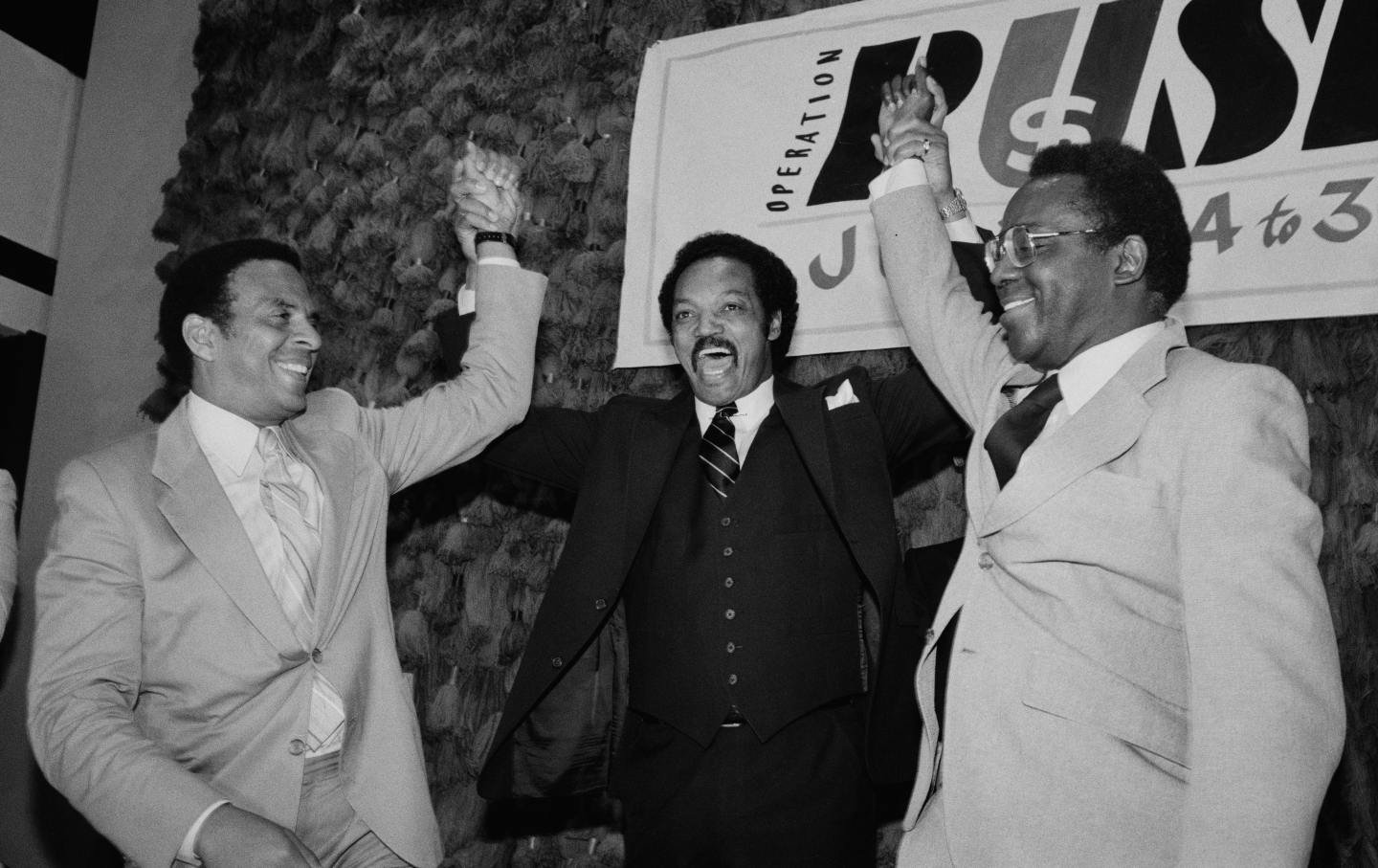
Reverend Jesse Jackson, a prominent civil rights leader, profoundly reshaped the Democratic Party through his groundbreaking presidential campaigns in the 1980s. Initially perceived as a long-shot contender, Jackson’s persistent efforts to build a “Rainbow Coalition” and advocate for marginalized communities left an indelible mark on the party’s platform, electorate, and strategic direction, fundamentally altering its trajectory.
Key Details
Jesse Jackson’s political journey within the Democratic Party began to gain significant national attention with his campaigns for president in 1984 and 1988. These campaigns were pivotal in demonstrating the potential for a broad, multiracial coalition to influence national politics and contest the party’s established power structures.
Who Was Involved
The core of Jackson’s movement involved a diverse array of constituencies often overlooked or underestimated by traditional political operatives. This “Rainbow Coalition” brought together African Americans, who constituted a significant and often untapped voting bloc, with progressive white voters, working-class families, farmers facing economic hardship, environmentalists, and peace activists. Jackson himself, as a direct successor to the legacy of Martin Luther King Jr., provided charismatic leadership and a powerful moral voice that resonated deeply with these groups.
What Exactly Occurred During the Campaigns
During his 1984 campaign, Jackson became the second African American to mount a major presidential bid, following Shirley Chisholm. He focused on voter registration drives, particularly in African American communities, leading to a substantial increase in participation. His platform, often referred to as “Jacksonian Democracy,” emphasized universal healthcare, affordable housing, cuts in military spending, environmental protection, and an end to apartheid in South Africa. Despite not securing the nomination, he garnered over 3 million votes and earned significant delegate support, laying critical groundwork for future efforts.
His 1988 campaign saw an even greater surge in support and influence. Jackson’s message of economic justice and social equality resonated during a period of growing income inequality and social concerns. He challenged front-runner Michael Dukakis in numerous primaries, winning several states and accumulating millions of votes nationwide. He secured over 7 million votes and obtained more than 1,000 delegates, finishing second in the primary race. His strong showing demonstrated the viability of a progressive, multiracial campaign within the Democratic Party and forced the party to address issues that had previously received less prominence.
Jackson’s campaigns were not just about winning delegates; they were about broadening the definition of who constituted the Democratic Party’s base. He articulated a vision that directly addressed the concerns of urban poor, rural farmers, and industrial workers, creating a bridge between various disenfranchised groups. His speeches were powerful calls for unity and justice, compelling audiences with his “Keep Hope Alive” mantra.
Numbers and Impact
- In 1984, Jackson’s campaign registered an estimated 2 million new voters, predominantly African American, significantly boosting participation rates in subsequent elections.
- His 1988 campaign secured approximately 7 million votes in the Democratic primaries, accumulating over 1,000 delegates and finishing second overall. This represented a substantial increase from his 1984 performance, signaling growing momentum for his progressive agenda within the party.
- Jackson’s influence extended beyond raw vote counts. He successfully pushed for the inclusion of specific policy planks in the Democratic Party platform, such as stronger commitments to affirmative action, economic redistribution, and a more robust social safety net.
Official Statements and Party Evolution
While the Democratic Party establishment initially viewed Jackson’s candidacies with a mix of apprehension and dismissiveness, his sustained support and electoral performance compelled a re-evaluation. Party leaders increasingly acknowledged the necessity of engaging with the diverse coalition Jackson had mobilized. The party began to incorporate more of his progressive policy ideas and diversify its leadership ranks, recognizing that ignoring these voices risked alienating a critical segment of its potential base. This shift was not instantaneous but a gradual evolution, with Jackson’s campaigns serving as a powerful catalyst for internal reform and outreach.
Why It Matters
Jesse Jackson’s impact on the Democratic Party extends far beyond his presidential bids. His campaigns fundamentally expanded the party’s electoral map and ideological boundaries, proving that a candidate could build a winning coalition by directly appealing to working-class people, minorities, and progressives on issues of social justice and economic equality. This laid critical groundwork for future Democratic strategies, fostering a more inclusive and socially conscious party identity that continues to resonate today.
What’s Next
The legacy of Jesse Jackson’s Democratic Party impact remains a subject of ongoing study and inspiration for contemporary political movements. His strategies for voter mobilization and coalition-building continue to be referenced by candidates aiming to unite diverse groups under a common progressive banner. As the Democratic Party navigates evolving demographics and political challenges, the principles championed by Jackson – particularly those emphasizing economic fairness and racial justice – continue to shape its internal debates and policy platforms, ensuring his transformative influence endures.
Source: https://www.thenation.com/article/politics/jesse-jackson-reshaped-the-democratic-party/
About the Author