Indian Super League Clubs Reject Churchill Brothers’ Entry Bid for 2025-26 Season
New Delhi | October 26, 2024
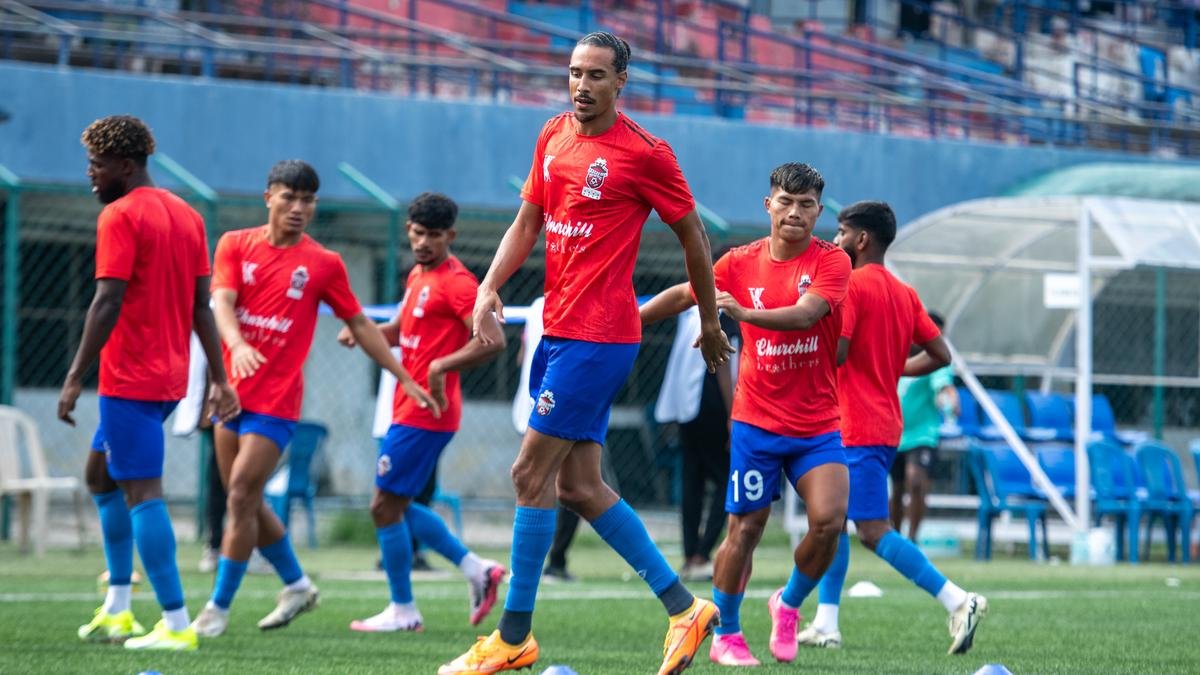
Clubs participating in the Indian Super League (ISL) have collectively rejected a proposal for Churchill Brothers Football Club to join the league for the upcoming 2025-26 season. The decision, made during recent discussions among the league’s stakeholders, signifies a significant development regarding the expansion plans of India’s top-tier football competition.
This outcome means that Churchill Brothers, a historically prominent club in Indian football, will not be integrated into the **Indian Super League** roster for the next season, maintaining the current structure and participant lineup for the foreseeable future. The rejection comes amidst ongoing discussions about the growth and accessibility of the league, managed by Football Sports Development Limited (FSDL).
Key Details of the Decision
The proposal for Churchill Brothers’ inclusion in the **Indian Super League** was deliberated upon by representatives from the existing clubs. While specific reasons for the collective rejection have not been publicly detailed, decisions of this nature typically involve a careful assessment of various factors including financial viability, infrastructure, fan base, sporting merit, and the long-term strategic vision for the league’s development.
Churchill Brothers Sports Club, based in Goa, boasts a rich legacy in Indian football, including multiple I-League titles. Their aspiration to join the ISL has been a subject of discussion within the football fraternity, particularly given their historical standing and fan following in a key footballing state. The **Indian Super League**, since its inception, has grown significantly, evolving into the premier football competition in the country under the aegis of the All India Football Federation (AIFF) and FSDL.
Currently, the **Indian Super League** comprises 13 teams, with FC Goa, Kerala Blasters FC, Mohun Bagan Super Giant, and Mumbai City FC among its established franchises. The league has seen gradual expansion since its inception in 2014, moving from an initial eight teams to its current number. Entry into the league often requires significant financial commitment, adherence to strict club licensing criteria, and, crucially, approval from existing stakeholders.
The process for new team entry into the **Indian Super League** is complex, often involving a bidding process or a detailed evaluation by the league’s governing body, FSDL, followed by endorsement from the participating clubs. The collective decision by the clubs underscores their influence in shaping the league’s composition and future direction. This particular rejection highlights the rigorous standards and consensus-driven approach that govern the addition of new franchises.
For Churchill Brothers, this decision represents a setback in their efforts to compete at the highest level of Indian club football. The club has been a consistent presence in the I-League, which serves as the second tier of the Indian football pyramid. Their ambition to transition into the ISL reflects a broader trend among traditional clubs seeking access to the increased visibility, commercial opportunities, and competitive challenges offered by the top league.
Why This Matters for Indian Football
This rejection carries significant implications for both Churchill Brothers and the broader landscape of **Indian football**. For Churchill Brothers, it means continued participation in the I-League or exploring other strategic avenues to maintain their competitive edge and financial stability. For the ISL, the decision reflects a cautious approach to expansion, prioritizing stability and the collective interests of existing franchises over rapid growth.
The matter of league expansion has long been a topic of debate within **Indian football**, balancing the desire for broader representation and increased competition with the need for sustainable models for existing clubs. The ISL’s structure is designed to promote a professional and commercially viable league, and any expansion is carefully vetted against these objectives.
The decision also subtly reinforces the hierarchy within Indian club football, where entry into the ISL remains a coveted and challenging prospect. It underscores that historical success in other leagues does not automatically guarantee a smooth transition into the ISL, and that various contemporary factors weigh heavily in such strategic decisions.
What’s Next for Churchill Brothers and the ISL
Following this rejection, Churchill Brothers will likely need to reassess their strategic path forward. This could involve strengthening their position within the I-League, enhancing their infrastructure, or exploring alternative models for future bids. The club may also choose to address any specific concerns that might have contributed to the existing ISL clubs’ decision, should those details become clearer.
For the **Indian Super League**, the 2025-26 season is expected to proceed with its current set of teams, focusing on consolidating its position as the premier sporting league in India. FSDL and the AIFF will continue to oversee the league’s operations, including potential future expansion plans. Any further additions to the league will likely involve similar rigorous evaluations and require the consensus of existing stakeholders, ensuring that new entries align with the league’s long-term vision and commercial objectives.
The broader landscape of **Indian football** will continue to evolve, with ongoing efforts to integrate the various leagues and create a more cohesive pyramid structure. While Churchill Brothers’ immediate ISL aspirations have been thwarted, the dialogue around league expansion and the inclusion of historic clubs is expected to continue as the sport progresses in India.
About the Author