Equinox Chairman Highlights Shift Towards Longevity in Global Wellness Market
New York | October 26, 2023
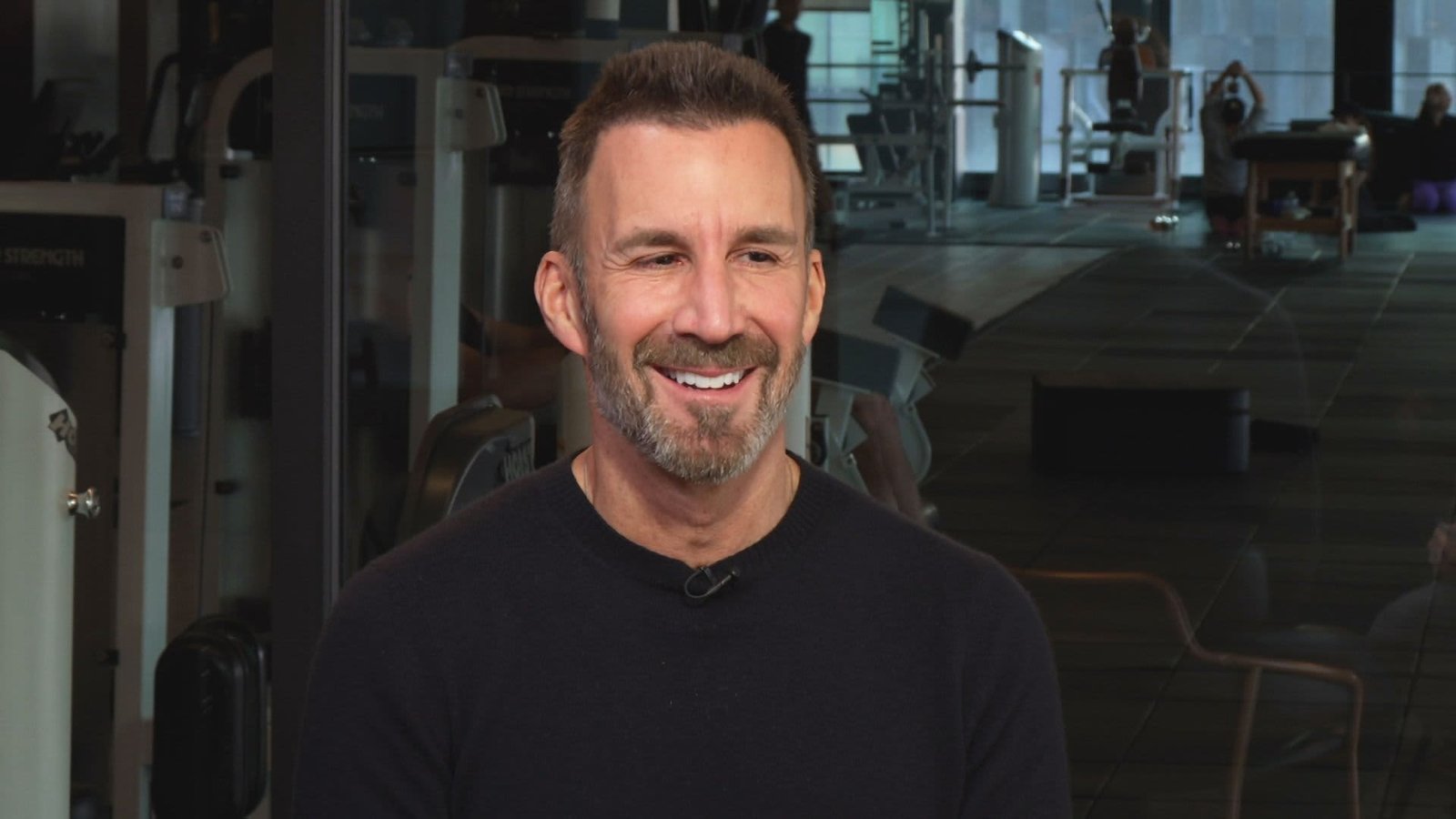
Equinox Executive Chairman Harvey Spevak recently engaged in an exclusive discussion with CNBC Wealth Editor Robert Frank, focusing on the evolving landscape of the global wellness market. The conversation illuminated a significant trend among affluent consumers: a pronounced shift in spending priorities towards investments in longevity and comprehensive health. Spevak emphasized that this recalibration is effectively positioning health as the new frontier of luxury.
During the interview, conducted for CNBC’s “Inside Wealth” segment, Spevak provided insights into how high-net-worth individuals are increasingly allocating resources not merely to traditional luxury goods, but to services and products that promise enhanced well-being, vitality, and an extended, healthier lifespan. This movement signifies a deeper cultural and economic shift, where personal health outcomes are perceived as the ultimate luxury.
Key Details
The discussion centered on the strategic observations of Harvey Spevak, who leads Equinox Group, a major player in the luxury fitness and wellness sector with brands like Equinox, SoulCycle, and Blink Fitness under its umbrella. Robert Frank, known for his coverage of wealth trends and high-net-worth individuals, facilitated the dialogue exploring this nuanced financial and lifestyle transformation.
A core tenet of the conversation was the assertion that “health is the new luxury.” Spevak elaborated on this concept, explaining that for a growing segment of affluent consumers, discretionary spending is now less about conspicuous consumption of material possessions and more about acquiring access to cutting-edge health solutions. This includes personalized fitness regimens, advanced nutritional guidance, preventative medical screenings, mental wellness programs, and biohacking technologies aimed at optimizing physical and cognitive function.
The global wellness market, already a multi-trillion dollar industry, is experiencing dynamic growth fueled by this changing consumer behavior. Spevak’s insights highlighted various sub-sectors contributing to this expansion, including:
- Physical Activity: High-end fitness clubs, personal training, specialized athletic programs.
- Healthy Eating, Nutrition, and Weight Loss: Personalized meal plans, premium organic foods, dietary supplements, and nutraceuticals.
- Personal Care & Beauty: Products and services focusing on healthy aging and skin vitality, often incorporating advanced scientific research.
- Preventative & Personalized Medicine and Public Health: Advanced diagnostics, genetic testing, concierge medical services, and tailored health interventions designed to preempt illness.
- Wellness Tourism: Luxury retreats, health-focused travel experiences, and destinations offering holistic well-being programs.
- Mental Wellness: Stress management, mindfulness training, sleep optimization programs, and digital mental health platforms.
Spevak attributed this shift partly to an increased global awareness regarding the importance of holistic health, exacerbated by recent global events that underscored vulnerabilities. Furthermore, an aging affluent population is actively seeking methods to maintain a high quality of life and stave off age-related decline. Technological advancements have also made personalized health data and bespoke wellness solutions more accessible and sophisticated, creating new avenues for investment in one’s personal longevity.
Equinox’s strategic positioning within this burgeoning wellness economy was implicitly discussed through Spevak’s general overview. The brand, known for its premium offerings and comprehensive approach to fitness and lifestyle, represents a key player in catering to consumers who view wellness as a crucial, ongoing investment rather than a temporary trend.
Why It Matters
This pivot in spending by affluent individuals signifies a profound paradigm shift in consumer values and market dynamics. It has far-reaching implications for various sectors, including luxury retail, healthcare, hospitality, and technology. For businesses, understanding this drive towards longevity and health is critical for future product development, marketing strategies, and investment decisions. The trend points to a future where aspirational living is increasingly defined by one’s health span and quality of life, rather than solely by material wealth.
What’s Next
The trajectory of the global wellness market indicates continued innovation and expansion, with companies likely to intensify their focus on integrating technology and personalization into health solutions. Expect further investment in areas such as precision medicine, advanced biometric tracking, and comprehensive wellness ecosystems. Luxury brands may increasingly pivot or partner with wellness providers to offer holistic lifestyle packages. Financial analysts and economists will continue to monitor the growth and diversification of this market as it reshapes consumer spending habits and economic indicators worldwide, underscoring the enduring significance of health and longevity for affluent consumers.
About the Author