Divergent Gym Performance Highlights U.S. K-Shaped Economy’s Impact on Consumer Spending
UNITED STATES | October 26, 2023
The financial outlooks of two prominent U.S. gym chains, Life Time and Planet Fitness, are reflecting a clear divergence in consumer spending patterns, underscoring the ongoing influence of the nation’s K-shaped economy. This trend illustrates how higher-income households continue to engage in discretionary spending while lower-income consumers face increasing pressure on their budgets.
What Happened
The latest assessments of Life Time and Planet Fitness indicate distinct trajectories influenced by their respective target demographics. Life Time, known for its extensive, premium health clubs, appears to be benefiting from the sustained spending power of affluent consumers. Conversely, Planet Fitness, which operates on a high-volume, low-cost model, is experiencing market dynamics indicative of belt-tightening among its more budget-conscious members. This disparity in performance serves as a microeconomic reflection of the broader K-shaped economic recovery, where different segments of the population experience vastly different economic realities.
Key Details
The concept of a **K-shaped economy** describes a scenario where certain sectors and demographic groups thrive economically, while others struggle or decline, leading to a widening gap in wealth and opportunity. In the context of the fitness industry, this phenomenon manifests directly through the business models and consumer bases of companies like Life Time and Planet Fitness.
*
Life Time: Catering to Affluent Consumers
Life Time operates as an athletic country club, offering a wide array of amenities that extend beyond traditional gym equipment. These typically include spas, indoor and outdoor pools, tennis courts, personal training, group fitness classes, dedicated workspaces, healthy cafes, and childcare services. Membership fees for Life Time are significantly higher, often ranging from $100 to $300 or more per month, positioning the brand squarely in the premium and luxury fitness market.
The target demographic for Life Time consists predominantly of higher-income individuals and families who possess greater disposable income. This segment of the population has largely been resilient to recent economic headwinds such as inflation and rising interest rates. For these consumers, a Life Time membership represents not just a fitness expense but a lifestyle choice and an investment in wellness and convenience, which they are able and willing to maintain. Their spending habits remain robust, supporting the continued growth and profitability of premium service providers.
*
Planet Fitness: The Budget-Friendly Model
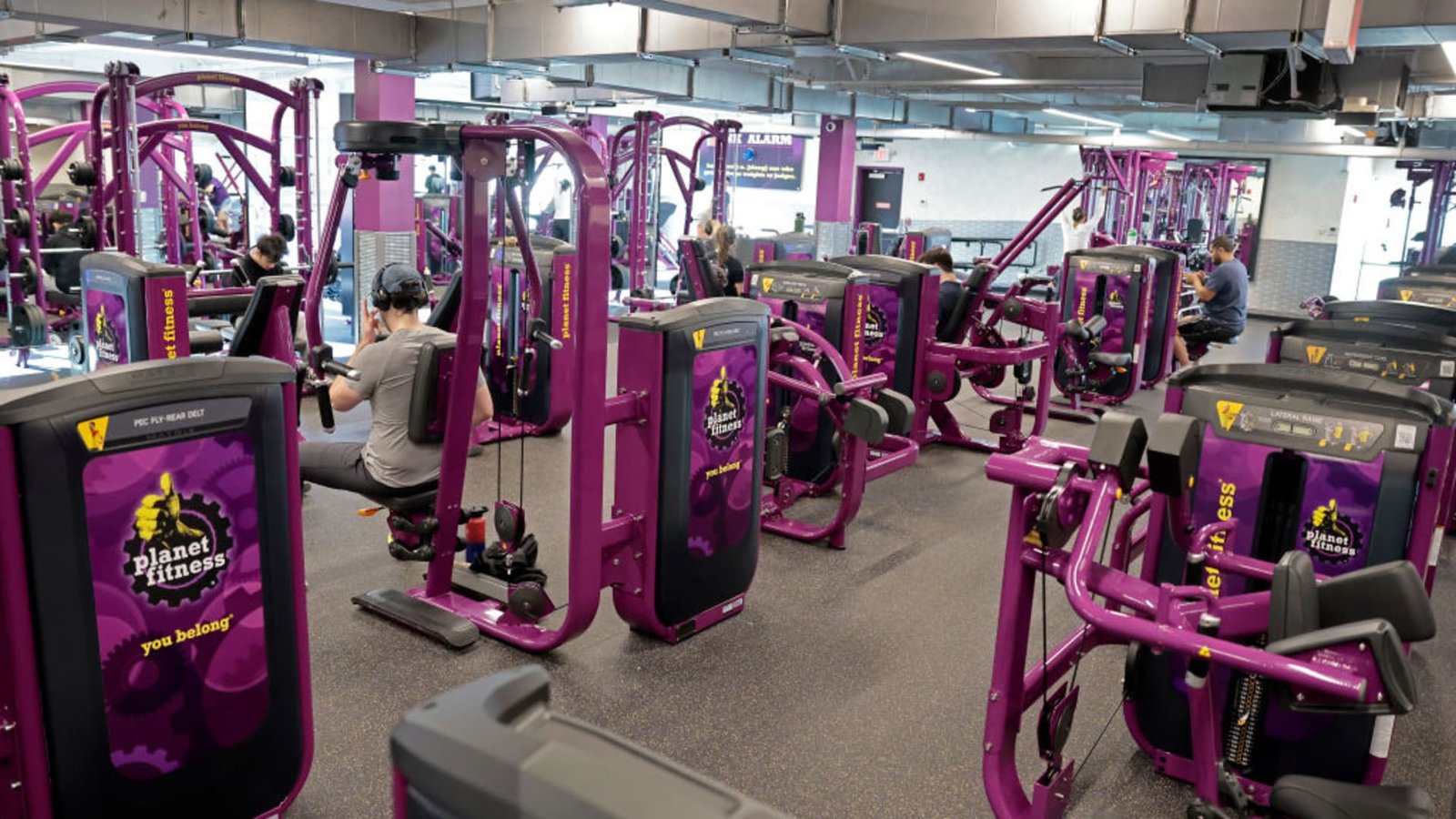
In contrast, Planet Fitness has built its business on accessibility and affordability. With monthly membership fees often starting as low as $10 to $25, it targets a broad consumer base, including students, young adults, and individuals within lower-to-middle income brackets. The “Judgement Free Zone” philosophy and basic gym amenities focus on providing essential fitness equipment without the extensive luxury offerings found at higher-tier clubs.
This segment of the population is typically more vulnerable to economic fluctuations. Persistent inflation impacting essential goods like food and fuel, coupled with stagnant real wages for many, has compelled budget-conscious consumers to scrutinize discretionary spending more closely. For individuals with limited disposable income, even a relatively low monthly gym membership can become an expendable luxury when household budgets are strained. As such, Planet Fitness’s outlook can be more sensitive to shifts in the economic well-being of its core demographic.
*
Official Statements and Market Commentary
While specific earnings reports from the initial article’s underlying source are not provided, general industry analysis often correlates the performance of companies like Life Time and Planet Fitness with broader **consumer spending habits**. Analysts frequently point to the robust demand for premium services among high-income earners as a key driver for luxury brands, while simultaneously noting increased caution among lower-income consumers. This creates a challenging environment for businesses heavily reliant on discretionary spending from the latter group, necessitating strategic adjustments to retain members and attract new ones in a competitive market.
Why It Matters
The contrasting performances within the fitness sector offer a compelling, real-time illustration of the **K-shaped economy** in action. This phenomenon highlights growing economic inequality and the disparate financial resilience across different household income levels. For policymakers, businesses, and economists, these **fitness industry trends** serve as an important indicator of underlying economic health, revealing how macroeconomic conditions disproportionately affect various consumer segments and, consequently, different sectors of the economy. Understanding this divergence is crucial for grasping the broader economic landscape and its implications for future growth and stability.
What’s Next
Looking ahead, both companies and the broader fitness industry will likely continue to navigate these **economic divergence** trends. Life Time may seek to further enhance its premium offerings and expand its reach into affluent communities, capitalizing on its strong market position among high-net-worth individuals. For Planet Fitness, strategies might involve focusing on value propositions, exploring new membership tiers, or enhancing retention efforts for its price-sensitive members, while closely monitoring **household income** trends and broader economic indicators.
Economists will continue to monitor **consumer spending habits** across all income brackets to assess the persistence of the K-shaped recovery. Data on employment, inflation rates, and real wage growth will be critical in determining whether the economic gap narrows or widens further. The trajectory of these gym chains will remain a significant, albeit niche, barometer of how effectively economic policies address the needs of all income levels in the United States.
Source: https://www.cnbc.com/2026/02/28/life-time-planet-fitness-earnings-show-k-shaped-economy.html
About the Author