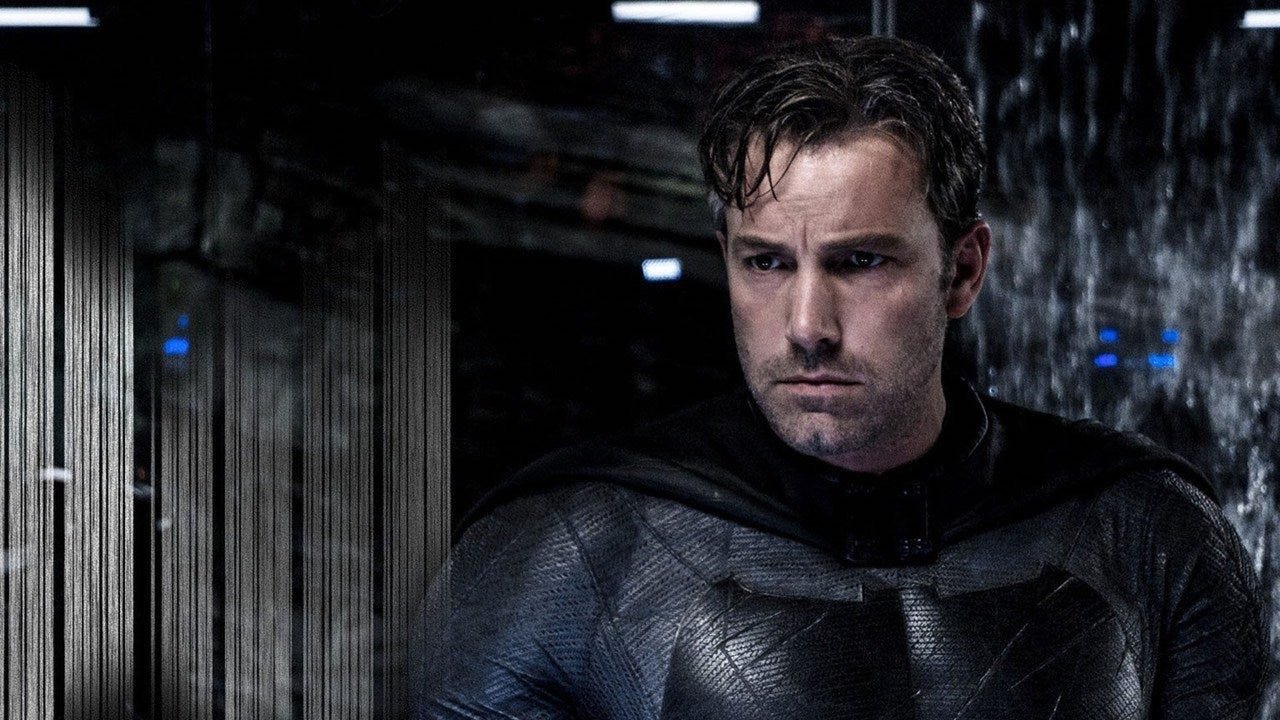
Zack Snyder Offers Forceful Defense of Snyder Cut Fandom Against Toxicity Claims
Hollywood | October 26, 2023
Director Zack Snyder has issued a stark and unequivocal defense of the #ReleasetheSnyderCut fan movement, known as the Snyderverse fandom, in response to persistent accusations of toxicity. Snyder, known for his directorial work on films like “300,” “Watchmen,” and “Justice League,” conveyed a blunt message to critics who characterize his fanbase as problematic, firmly standing by his supporters.
The filmmaker’s statement underscores a deepening divide between a vocal segment of film critics and industry observers and the dedicated fanbase that championed the release of his original vision for “Justice League.” Snyder’s comments highlight an ongoing discourse about fan engagement, online behavior, and the relationship between creators and their most passionate audiences in the contemporary entertainment landscape.
Key Details
Zack Snyder’s candid remarks directly address a controversy that has shadowed the fervent #ReleasetheSnyderCut campaign for years. The movement gained significant traction following the tumultuous production and theatrical release of Warner Bros.’ “Justice League” in 2017, a film from which Snyder had stepped down due to a family tragedy, leading to Joss Whedon overseeing extensive reshoots and a different creative direction. Fans rapidly coalesced around the hashtag, demanding the release of Snyder’s original cut, believing it represented his true artistic intent.
The campaign, primarily orchestrated on social media platforms like X (formerly Twitter), Facebook, and Reddit, escalated into a powerful, albeit sometimes contentious, force. While the movement successfully galvanized a global fanbase and ultimately led to WarnerMedia greenlighting “Zack Snyder’s Justice League” for HBO Max in 2021, it also drew significant criticism. Accusations of “toxic fandom” emerged, citing instances of aggressive online behavior, targeted harassment of journalists and studio executives, and perceived gatekeeping of the DC Extended Universe narrative. These criticisms often highlighted the darker aspects of online fan culture, where passion can sometimes devolve into vitriol.
Snyder’s recent statement is a direct rebuttal to these accusations, signaling his unwavering support for the fans who advocated fiercely for his vision. His explicit message, while provocative, serves to draw a clear line in the sand, distinguishing his view of the Snyder Cut fandom from the critical perspective that labels it as toxic. This defense comes after years of close interaction between Snyder and his fanbase, often utilizing platforms like Vero to share behind-the-scenes content and engage directly with supporters, fostering a unique creator-fan relationship.
The #ReleasetheSnyderCut movement proved to be an unprecedented display of fan power, demonstrating the potential for organized online communities to influence major studio decisions. The eventual release of “Zack Snyder’s Justice League,” a four-hour epic, was hailed by many fans as a triumph of persistence and a vindication of their efforts. However, the associated controversies surrounding fan conduct continued to fuel broader industry discussions about the challenges of managing highly engaged, and sometimes overly aggressive, online communities.
Snyder’s protective stance over his fanbase reflects a broader artistic and personal commitment. He has consistently expressed gratitude for their dedication, often crediting their efforts as instrumental to the Snyder Cut’s release. His latest comments reinforce this bond, emphasizing his belief in the core positive aspects of the fandom while dismissing the criticisms as unfounded or misdirected.
Why It Matters
Snyder’s strong defense of the Snyder Cut fandom against toxicity claims holds significant weight in the ongoing conversation about creator-fan dynamics and the evolving nature of online communities. His remarks not only reinforce his loyalty to his dedicated supporters but also challenge the prevailing narrative that often demonizes passionate fan bases. This public stance can influence how other creators interact with their fan communities, potentially encouraging a more robust defense of fans facing similar accusations, or conversely, intensifying the debate about where the line between passion and toxicity should be drawn. The incident further highlights the complex interplay between media, fan culture, and public perception in the digital age, where social media amplifies both enthusiastic support and sharp criticism.
What’s Next
The repercussions of Snyder’s statement are likely to resonate within both the fan community and broader media circles. For the Snyder Cut fandom, the director’s unequivocal support will likely be seen as a rallying cry, further solidifying their resolve and unity. Critics of the movement, however, may view his comments as dismissive of legitimate concerns regarding online harassment and aggressive behavior. Industry observers will continue to monitor how similar fan campaigns evolve and how studios and creators navigate the increasingly vocal and organized nature of modern fan bases. While no immediate direct actions are anticipated as a result of these specific comments, the ongoing dialogue about online fandom culture, its benefits, and its pitfalls, will undoubtedly persist within the entertainment industry and among audiences alike.
About the Author