New York City Boosts Paid Sick Leave Enforcement Amid Employer Scrutiny
New York City intensifies its enforcement of paid sick leave laws, signaling increased scrutiny for employers regarding worker benefits and compliance.
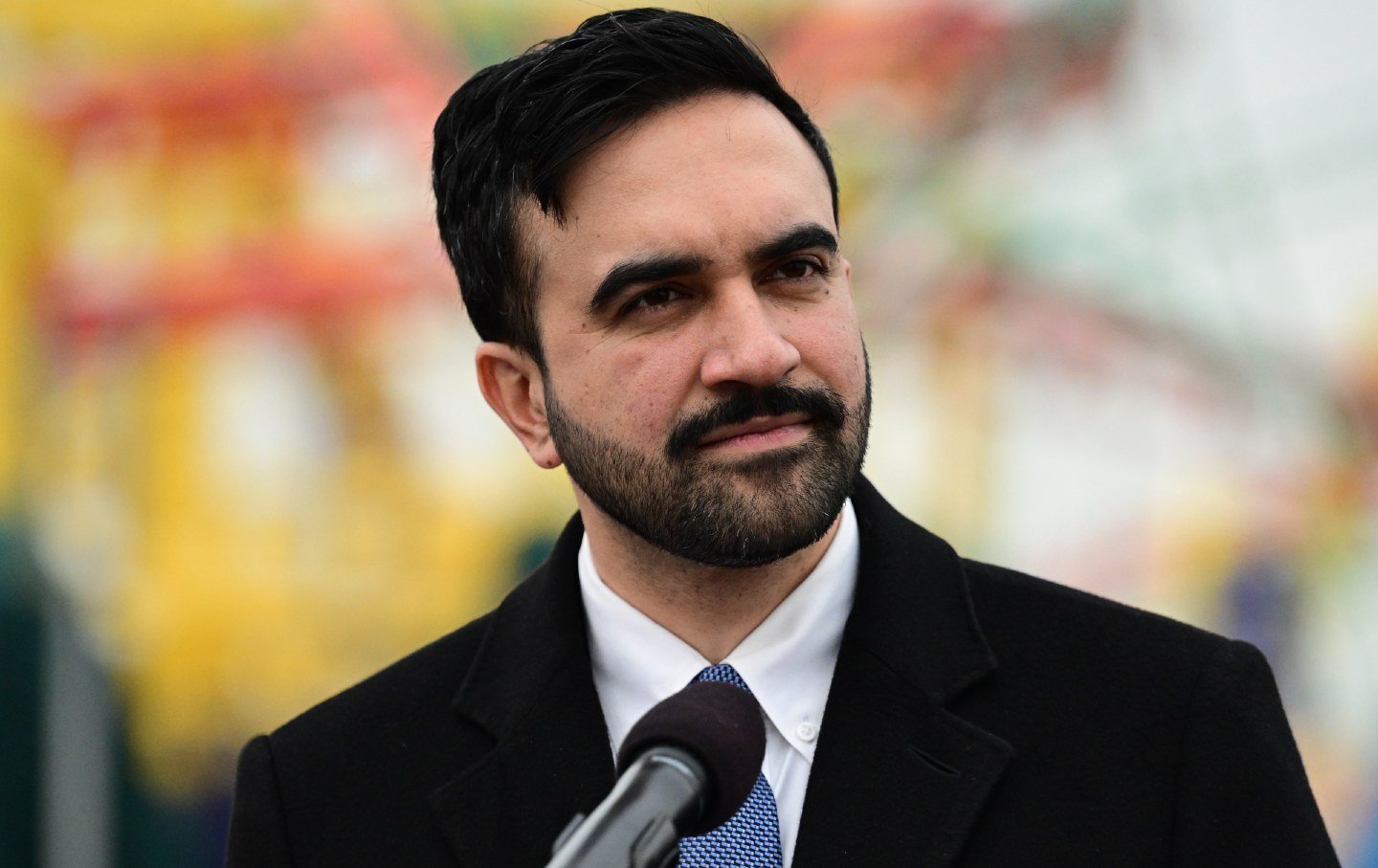
New York City has announced a significant new initiative to strengthen the enforcement of its paid sick leave laws, targeting employers where more than half of their workforce reports taking no paid time off in a given year. The Department of Consumer and Worker Protection (DCWP), under the directive of the Mayor’s office, will spearhead these investigations. This proactive measure aims to ensure that all workers in New York City can access their legally mandated sick leave benefits, addressing concerns raised by advocates like State Assembly Member Zohran Mamdani regarding potential widespread non-compliance and the impact on employee well-being and public health.
Key Developments
The core of the city’s enhanced enforcement strategy centers on a new data-driven approach to identify potential violations. The Department of Consumer and Worker Protection will now specifically flag and investigate businesses exhibiting a concerning pattern: those where more than 50% of their employees annually record zero instances of paid time off. This metric is designed to pinpoint employers who may be discouraging or preventing their workers from utilizing their accrued sick leave, a critical protection under New York City law.
This initiative represents a shift towards more proactive monitoring and enforcement, moving beyond a purely complaint-driven system. By analyzing aggregated payroll data or similar reporting, the DCWP seeks to identify systemic issues rather than individual complaints, which may often go unreported due to fear of retaliation or lack of awareness among workers. The city’s focus on this particular data point underscores the belief that a high proportion of employees taking no paid time off could indicate a culture or policy that effectively denies workers their statutory rights.
The expanded investigative powers granted to the DCWP are intended to ensure that all employers, regardless of size or industry, adhere to the city’s labor protection mandates. This enforcement drive is a direct response to ongoing concerns about the challenges many New Yorkers face in accessing their earned benefits, especially in sectors with high rates of hourly or frontline workers who may be more vulnerable to pressure from employers.
Official Statements
The announcement from the Mayor’s office underscored the city’s unwavering commitment to protecting worker rights and ensuring fair labor practices. While specific quotes from the Mayor were not released with the initial summary, the directive to the DCWP highlights a clear policy stance on the importance of paid sick leave. Officials involved in the initiative have emphasized that the goal is not merely punitive but to foster a culture of compliance across the city’s diverse business landscape.
Advocates, including State Assembly Member Zohran Mamdani, have long championed stronger protections for workers regarding paid time off. The original title of the source article indicates Mamdani’s significant role in bringing attention to this issue, suggesting his advocacy has been instrumental in prompting such a targeted enforcement action. While the summary does not include direct quotes from Mamdani regarding this specific announcement, his consistent focus on corporate accountability and worker welfare aligns with the objectives of this new enforcement effort.
The Department of Consumer and Worker Protection has reiterated its mandate to safeguard workers from exploitation and ensure adherence to local labor laws. The DCWP stated its readiness to leverage its investigative capabilities to identify and rectify instances where employers may be circumventing paid sick leave requirements. The agency’s public communications typically stress the importance of these laws for both individual worker health and the broader public good, including preventing the spread of illness in workplaces and communities.
Background Context
New York City has been at the forefront of establishing comprehensive paid sick leave protections for its workforce. The city’s Earned Safe and Sick Time Act (ESSTA), initially enacted in 2014 and subsequently expanded, mandates that most employees in New York City are eligible to accrue and use paid safe and sick leave. This law ensures that workers can take time off to care for themselves or a family member who is sick or to address safety concerns related to domestic violence, sexual assault, or stalking, without fear of losing pay or their job.
The amount of leave accrued depends on the employer’s size. Businesses with five or more employees must provide up to 40 hours of paid safe and sick leave per year, while those with 100 or more employees must provide up to 80 hours. Even smaller employers must provide unpaid safe and sick leave. This universal coverage is crucial for a city with a vast and varied economy, where many workers are in service industries and often lack traditional benefits.
Despite the existence of these robust laws, challenges in compliance and enforcement persist. Some employers may not adequately inform their workers of their rights, might pressure employees not to use their accrued time, or may implement policies that inadvertently discourage leave utilization. This can lead to situations where workers, particularly those in precarious employment, feel compelled to work while ill, posing risks to their own health, their colleagues, and the wider public health environment. The latest enforcement drive directly addresses these systemic vulnerabilities, building on years of advocacy and the city’s ongoing commitment to fair labor standards.
What Happens Next
Following the Mayor’s announcement, the Department of Consumer and Worker Protection will commence its targeted investigations. This process typically involves requesting payroll records, interviewing employees, and examining company policies to ascertain compliance with ESSTA. Employers found to be in violation of the law may face significant penalties, which can include monetary fines, restitution for unpaid leave, and mandatory policy changes to ensure future adherence. The specific penalties are determined based on the severity and frequency of the violations.
For employers, this development necessitates a thorough review of their paid sick leave policies and practices. It is imperative for businesses to ensure that their systems for tracking leave accrual and usage are accurate, transparent, and fully compliant with New York City regulations. Furthermore, employers should actively communicate their employees’ rights regarding paid safe and sick leave to foster an environment where workers feel empowered to use these benefits without adverse consequences.
For workers, this renewed enforcement effort offers an additional layer of protection. Employees who suspect their rights are being violated, or who are discouraged from taking paid time off, are encouraged to understand their entitlements under ESSTA and consider reporting non-compliance to the DCWP. The city’s proactive stance aims to create a stronger deterrent against violations and reinforce the accessibility of earned benefits for all New Yorkers, promoting healthier workplaces and a more equitable labor market.
New York City’s intensified focus on paid sick leave enforcement marks a significant step in safeguarding worker protections across the five boroughs. By targeting employers with unusually low rates of paid time off usage, the Department of Consumer and Worker Protection aims to ensure that all New Yorkers can access their legally mandated benefits, fostering a more compliant and equitable working environment crucial for both individual well-being and public health.
About the Author