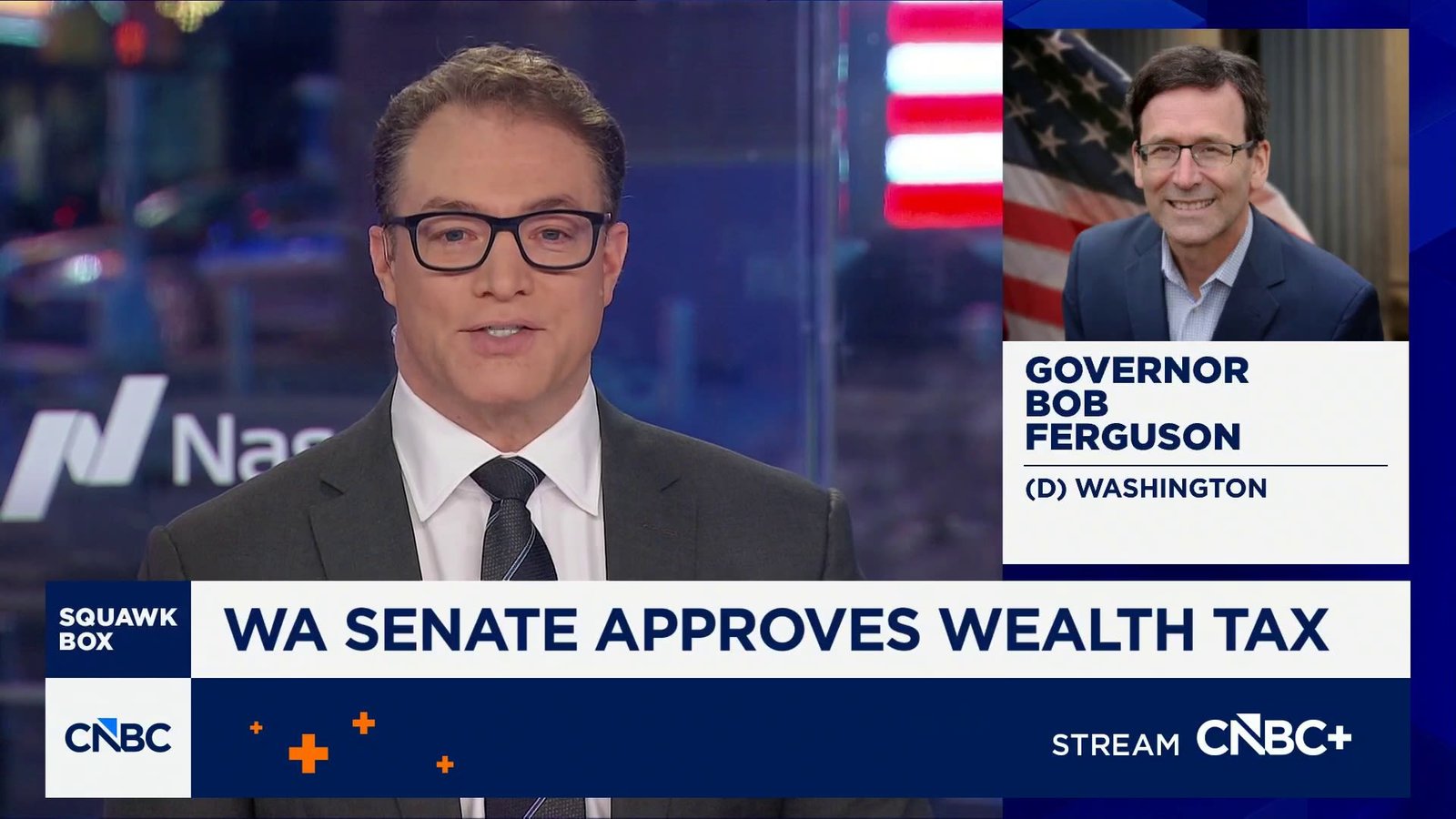
Washington State Senate Approves New Wealth Tax
Seattle, WA | April 24, 2024
The Washington State Senate has officially approved a groundbreaking new wealth tax, marking a significant shift in the state’s approach to revenue generation and taxation. The measure, which passed with a narrow majority, targets a specific subset of high-value assets held by the state’s wealthiest residents, aiming to generate substantial revenue for key public services and state programs. This legislative action follows years of debate regarding tax equity and the state’s reliance on regressive sales taxes.
The approval of the Washington state wealth tax represents a pivotal moment for fiscal policy in the Evergreen State. Proponents argue it introduces a more progressive element to Washington’s tax structure, which historically lacks an income tax and relies heavily on sales and property taxes. The legislation now moves to the House of Representatives for further consideration.
Key Details of the Approved Wealth Tax
The newly approved Washington state wealth tax targets intangible financial assets exceeding a specific valuation threshold. While exact figures are subject to legislative adjustments, the core provisions include:
- Tax Rate: A proposed 0.7% annual tax on certain intangible financial assets.
- Exemption Threshold: The tax applies to individuals with intangible financial assets exceeding $1 billion. This high threshold is designed to focus the tax on an extremely small percentage of the state’s wealthiest residents.
- Included Assets: Intangible assets such as stocks, bonds, and other financial instruments that are not otherwise directly tied to Washington real estate. Exemptions are notably made for primary residences, retirement accounts, and qualified small business assets to mitigate broader economic impacts.
- Revenue Projection: State fiscal analyses project the wealth tax could generate an estimated $1.2 billion annually once fully implemented. This revenue is earmarked for specific public services, including education, affordable housing initiatives, and mental health services.
- Legislative Vote: The bill passed the Senate by a vote of 25-24, reflecting the contentious nature of the legislation and the deep divisions within the legislative body.
- Official Statements: Following the vote, Senate Majority Leader expressed optimism, stating, “This is a historic step towards creating a more equitable tax system in Washington. It ensures that those who have benefited most from our state’s prosperity contribute their fair share to critical services.” Conversely, minority leaders voiced concerns about potential economic flight and the constitutionality of the tax.
The legislative journey of this tax has been marked by extensive public hearings, expert testimonies, and lobbying efforts from various interest groups. Supporters emphasize the need for new revenue streams to address growing societal demands without burdening middle- and low-income families. Opponents raise questions about its legality and potential for economic disruption.
Why the Washington State Wealth Tax Matters
The passage of the Washington state wealth tax by the Senate is significant for several reasons. It signals a strong legislative appetite for progressive taxation in a state long known for its regressive tax system. If enacted, it could serve as a model or a precedent for other states grappling with similar fiscal challenges and wealth inequality concerns, contributing to a broader national discussion on state tax reform.
Beyond revenue generation, the tax reflects a philosophical shift in how the state perceives wealth distribution and public responsibility. It is seen by many as an effort to balance the immense wealth accumulated by some residents, particularly in the tech sector, with the growing needs of the broader population. The specific targeting of intangible assets and the high exemption threshold aim to address constitutional concerns and limit the tax’s reach to a very select group.
The debate surrounding this tax has also brought increased attention to Washington’s broader fiscal policies. With the state’s budget constantly under pressure from rising costs in areas like education and healthcare, new revenue sources are frequently sought. This measure represents one of the boldest attempts to date to address these financial pressures through a targeted tax on extreme wealth.
What’s Next for the Wealth Tax Legislation
With Senate approval secured, the wealth tax bill now moves to the Washington State House of Representatives. The House is expected to engage in a rigorous debate, potentially introducing amendments or changes before a final vote. Given the narrow margin of victory in the Senate, the outcome in the House is far from certain.
Should the House approve the legislation, it would then proceed to the Governor’s desk for signing into law. Even if signed, the Washington state wealth tax is widely expected to face immediate legal challenges. Opponents have indicated their intention to contest its constitutionality, citing concerns over uniformity and other legal precedents. These legal battles could significantly delay implementation and potentially alter the tax’s final form or even lead to its repeal. Advocacy groups on both sides are already mobilizing for the next stages of this legislative and legal process.
The legislative calendar suggests that the House will likely take up the bill within the coming weeks, with a final decision potentially before the end of the current legislative session. Public engagement and lobbying efforts are anticipated to intensify as the bill progresses through the House committees and onto the floor for a full vote. The outcome will have lasting implications for Washington’s fiscal landscape and its residents.
About the Author