US-Israel Iran Strategy Under Scrutiny Amid Regional Stability Concerns
Washington D.C. | February 23, 2024
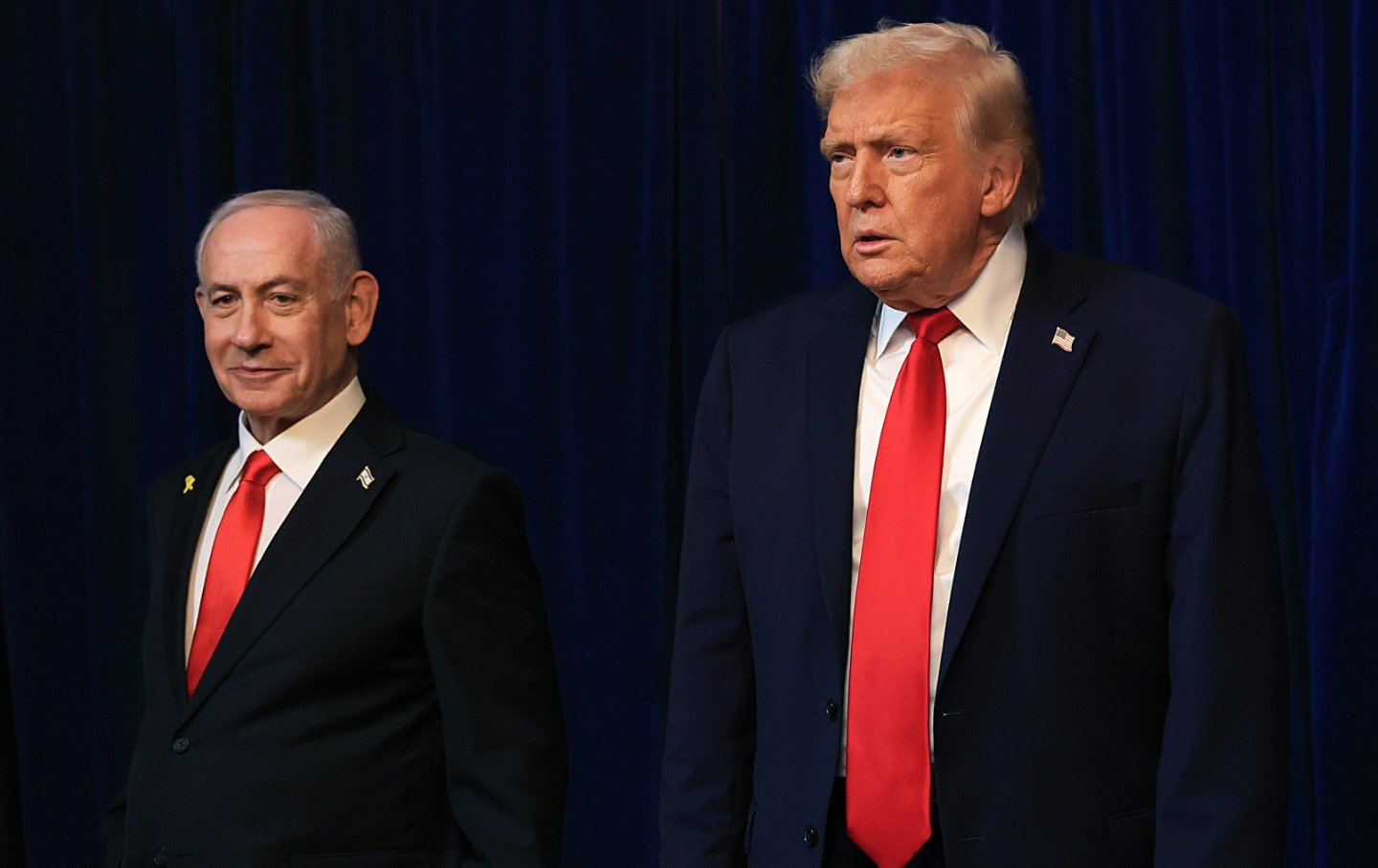
Policy approaches concerning Iran, particularly those advocated during former U.S. President Donald Trump’s administration and by Israeli Prime Prime Minister Benjamin Netanyahu, continue to draw significant attention and debate among international observers and policy analysts. These strategies, often characterized by robust pressure and a firm stance against the Iranian government, have been consistently scrutinized for their potential long-term impacts on Iran’s internal stability and the broader Middle East region.
The discussions frequently revolve around whether such concerted pressure campaigns might inadvertently contribute to conditions of instability within Iran, or potentially escalate regional tensions. The long-term efficacy and potential unintended consequences of these policies form a central point of analysis for foreign policy experts globally.
Key Details of US-Israel Iran Strategy
The core of the debate centers on the distinct yet often aligned policies pursued by former President Trump and Prime Minister Netanyahu regarding Iran. The Trump administration famously withdrew the United States from the Joint Comprehensive Plan of Action (JCPOA), commonly known as the Iran nuclear deal, in 2018. Following this withdrawal, Washington implemented a “maximum pressure” campaign, reinstating and expanding sanctions aimed at crippling Iran’s economy and compelling its leadership to renegotiate a more comprehensive agreement addressing its nuclear ambitions, ballistic missile program, and regional activities.
Prime Minister Netanyahu has consistently been a vocal critic of the JCPOA, arguing it did not adequately prevent Iran from developing nuclear weapons capabilities and emboldened its regional interventions. His government has advocated for a resolute approach to counter what Israel perceives as an existential threat from Iran. This includes diplomatic efforts to isolate Iran, intelligence operations, and, at times, military actions targeting Iranian assets or proxies in the region, particularly in Syria.
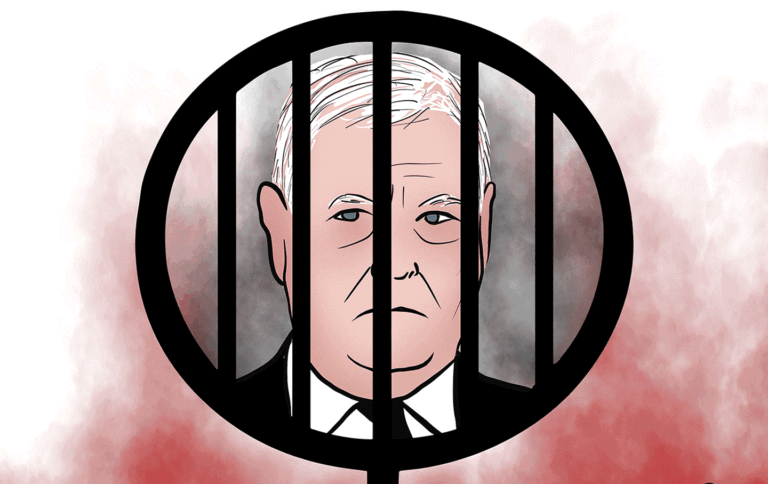
Critics of the “maximum pressure” approach and similar hardline strategies express concerns that these policies, while intended to force a change in Iranian behavior, might instead lead to a severe destabilization of the Iranian state. Such an outcome, they argue, could have unpredictable and far-reaching consequences. These concerns stem from the historical understanding that extreme economic hardship and international isolation can exacerbate internal societal pressures, potentially leading to social unrest or even state collapse. The concept of a “failed state,” characterized by a government unable to provide basic public services, maintain order, or control its territory, is a frequently invoked scenario in these analyses.
Official statements from both the Trump administration and the Israeli government framed their actions as necessary measures to safeguard national security and promote regional stability by curbing Iran’s alleged nuclear ambitions and curtailing its “malign” influence. They maintained that a weakened Iranian regime would be less capable of funding proxy groups or developing advanced weaponry. However, the exact desired end-state of these policies, particularly regarding the internal structure of the Iranian state, has been a subject of ongoing interpretation and discussion among analysts.
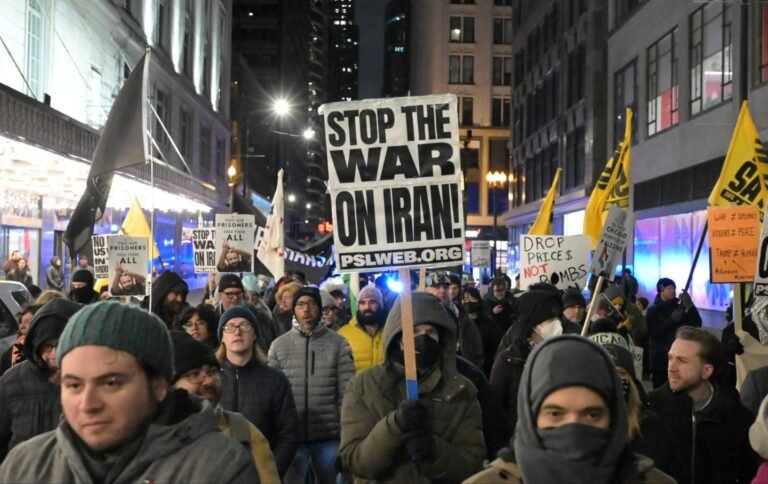
The economic impact of the sanctions campaign under the Trump administration was substantial, leading to a significant decline in Iran’s oil exports and overall economic output. While supporters pointed to this as evidence of the campaign’s effectiveness, others highlighted the humanitarian consequences and the potential for increased public discontent to boil over in ways that could create broader regional instability, rather than simply compel policy changes from Tehran.
Why It Matters
The debate surrounding the US-Israel Iran strategy holds profound significance for global security and economic stability. Iran is a major regional power with significant influence across the Middle East, possessing vast energy reserves and a strategic geographical location. Any severe internal instability within Iran, let alone the prospect of it becoming a failed state, could trigger a cascade of detrimental effects.
These potential impacts include a significant refugee crisis, increased proliferation risks if central control over state assets diminishes, heightened regional conflict as various actors vie for influence in a power vacuum, and disruptions to global energy markets. The trajectory of Iran’s internal affairs and its relationship with the international community, therefore, remains a critical focal point for policymakers worldwide, transcending the immediate geopolitical considerations of Washington and Jerusalem.
What’s Next
The discourse surrounding the effectiveness and implications of past and current US-Israel Iran strategy is expected to continue evolving. Future policy decisions by the United States and Israel concerning Iran will undoubtedly be shaped by ongoing geopolitical developments in the Middle East, including the resolution of existing conflicts, shifts in global power dynamics, and Iran’s own internal political and economic trajectory. The international community will remain vigilant in monitoring the situation, with various nations and international bodies continuing to advocate for diplomatic solutions that prioritize regional stability and non-proliferation.
Analysts will closely observe any future shifts in diplomatic engagements, economic pressures, or security postures. The interplay between internal dissent within Iran, the effectiveness of international sanctions, and the potential for a renewed international nuclear agreement all contribute to a complex and fluid future landscape. The primary goal for many international stakeholders remains preventing further regional conflict and ensuring the long-term Middle East stability.
Ultimately, the discussion around US-Israel Iran strategy underscores the delicate balance required in foreign policy, particularly when dealing with complex nations like Iran. The challenge for future administrations will be to navigate these intricate dynamics to achieve stated policy objectives without inadvertently triggering unintended and potentially catastrophic outcomes for the region and beyond. The long-term implications for the Iran nuclear program and regional security continue to drive international diplomatic efforts.
Source: https://www.thenation.com/article/world/iran-war-trump-netanyahu-failed-state/
About the Author