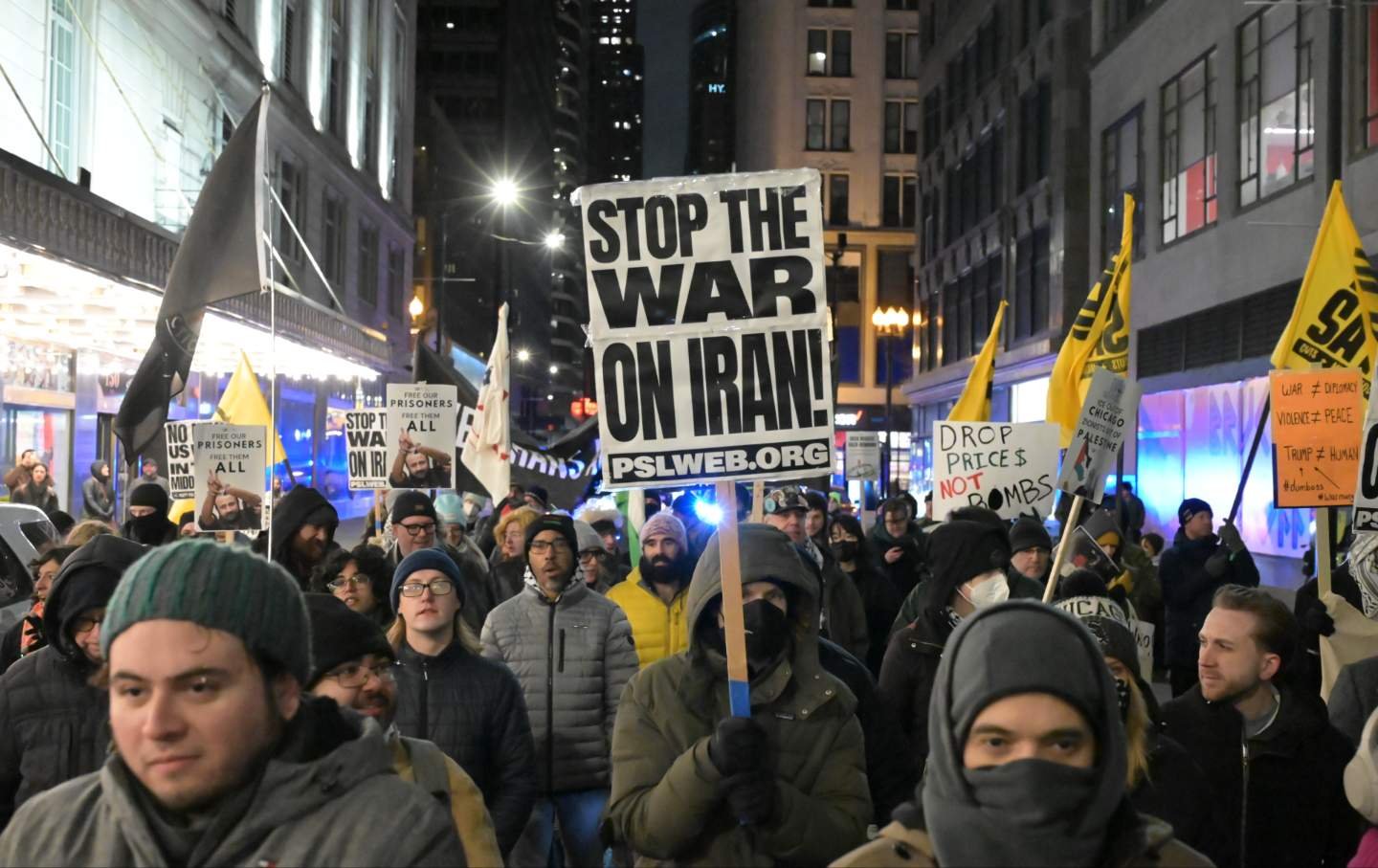
Congressional Scrutiny Rises Over Executive Branch Military Action and War Powers Resolution
Washington, D.C. | October 26, 2023
A renewed focus on the constitutional balance of power concerning military engagements has prompted calls within the U.S. Congress for a more robust assertion of legislative authority, particularly through the application of the War Powers Resolution. Lawmakers are increasingly emphasizing Congress’s duty to deliberate and authorize military actions, reiterating its primary role in matters of war and peace as enshrined in the U.S. Constitution.
Key Details
The debate over the executive branch’s authority to deploy military forces without explicit congressional declarations or authorizations has been a recurring theme in American foreign policy. At the heart of this discussion is the War Powers Resolution of 1973, a federal law intended to check the president’s power to commit the United States to armed conflict without congressional consent. This resolution requires the President to notify Congress within 48 hours of committing armed forces to military action and forbids forces from remaining for more than 60 days, with a further 30-day withdrawal period, without congressional authorization of the use of military force (AUMF) or a declaration of war.
Historically, presidents from both parties have challenged the constitutionality of the War Powers Resolution, viewing it as an infringement on their role as Commander-in-Chief. Conversely, many members of Congress argue that the resolution is a vital mechanism for upholding Article I of the Constitution, which grants Congress the sole power to declare war. The current legislative environment reflects a growing sentiment among various congressional factions that the legislative body must more actively exercise its constitutional oversight to prevent unauthorized or perceived unnecessary military engagements.
Recent legislative efforts, often in the form of proposed resolutions, have sought to clarify the scope of presidential authority in military matters. These resolutions frequently aim to either trigger the reporting requirements of the War Powers Resolution for specific deployments or to explicitly limit or terminate U.S. military involvement in certain conflicts or regions unless specifically authorized by Congress. While none of these efforts have recently culminated in a full declaration of war, they underscore an ongoing tension regarding the proper division of war-making powers.
Official statements from proponents of congressional primacy stress that failing to assert legislative authority risks undermining democratic principles and potentially drawing the nation into conflicts without broad public and legislative consensus. They argue that full congressional debate and authorization ensure a comprehensive examination of potential costs, strategic implications, and exit strategies for any military action, thereby fostering greater accountability.
Why It Matters
The ongoing discussion surrounding the War Powers Resolution and congressional oversight of military actions is fundamental to maintaining the constitutional system of checks and balances. It directly impacts the United States’ foreign policy posture, its international commitments, and the democratic legitimacy of its military engagements globally.
What’s Next
The debate is expected to continue with potential legislative actions aimed at strengthening the War Powers Resolution or revising existing authorizations for the use of military force. Members of Congress are likely to introduce further resolutions seeking to reassert legislative control over specific military deployments, particularly in regions experiencing heightened tensions. The executive branch, meanwhile, will likely continue to articulate its interpretation of presidential authority under Article II of the Constitution. Future military actions, especially those lacking explicit prior congressional approval, will inevitably trigger renewed calls for congressional intervention and a full assessment of whether presidential actions align with the War Powers Resolution and constitutional mandates.
Source: https://www.thenation.com/article/politics/iran-war-congress-war-powers-act/
About the Author