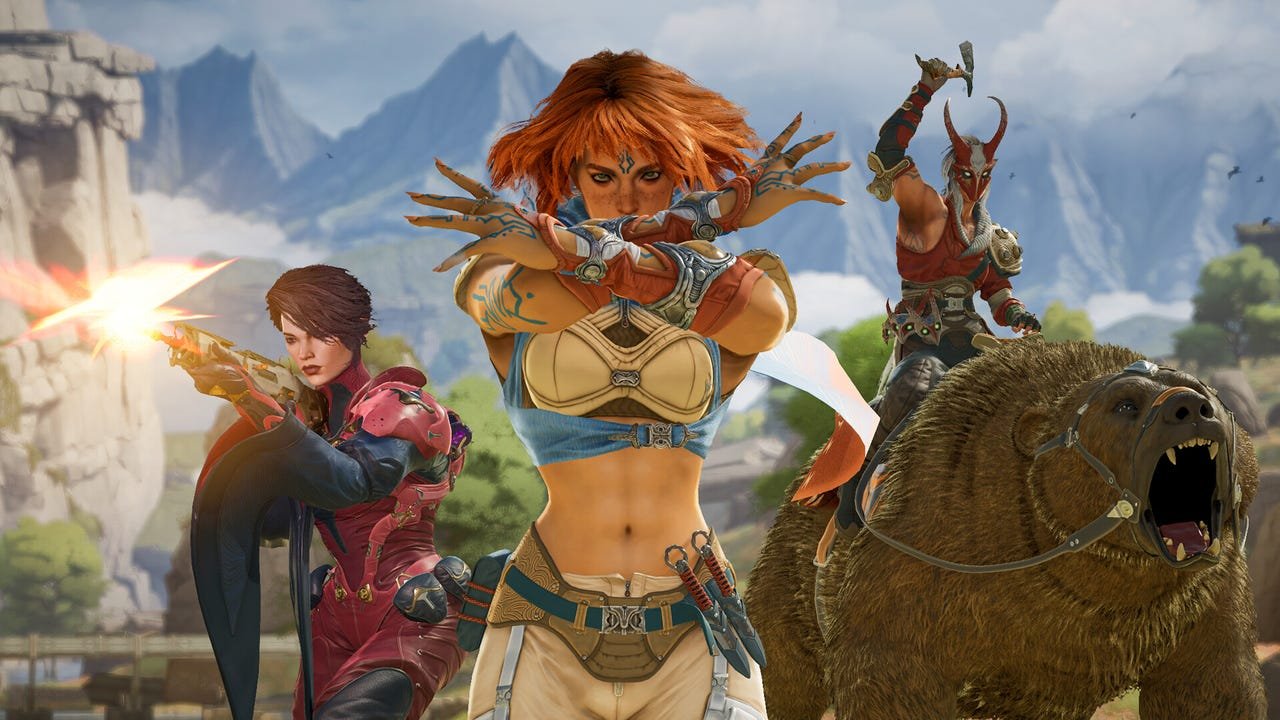
Former Developer Attributes Highguard’s Post-Launch Struggles to Overemphasis on Competitive Play
San Francisco, CA | October 26, 2023
Highguard, a free-to-play PvP raid shooter announced at The Game Awards last year, faced significant challenges shortly after its launch, leading to the layoff of most of its development team within weeks. A former developer has now suggested that the game’s rapid decline stemmed from its design philosophy, stating that it “leaned too far into the competitive scene,” a direction that ultimately “turned a lot of players off.”
Key Details
The online multiplayer title, Highguard, entered the market with initial anticipation following its reveal at a prominent industry event. Classified as a free-to-play PvP raid shooter, the game aimed to attract a player base within the highly competitive online gaming landscape. However, its trajectory took an unforeseen turn when reports emerged of extensive developer layoffs occurring mere weeks after the game’s public release, signaling immediate operational difficulties for the project.
Highguard’s Development and Release Timeline
- Announcement: Highguard was publicly unveiled at The Game Awards last year, a widely watched event known for showcasing upcoming titles and generating industry buzz.
- Genre: The game was positioned as a free-to-play player-versus-player (PvP) raid shooter, a category that often combines elements of tactical combat, cooperative raiding, and competitive player matchups.
- Launch and Aftermath: Following its release, the game quickly encountered difficulties, culminating in a significant reduction of its development staff. The layoffs of “most of its developers” occurred just weeks post-launch, indicating a rapid assessment of the game’s commercial viability or operational challenges.
Former Developer’s Perspective on Highguard’s Competitive Focus
An unnamed former developer associated with Highguard offered insights into the potential root causes of the game’s post-launch struggles. The developer specifically pointed to the game’s design emphasis, stating, “It leaned too far into the competitive scene.” This strategic direction, according to the former team member, had adverse effects on player engagement, leading to a situation where it “turned a lot of players off.”
The concept of a game “leaning too far into the competitive scene” within the free-to-play PvP raid shooter genre often implies several design choices. Such a focus might prioritize features that cater predominantly to highly skilled players, such as:
- Steep Learning Curve: Mechanics and systems that require significant time and effort to master, potentially alienating casual players seeking more immediate gratification.
- Punishing Gameplay: Design choices where mistakes are heavily penalized, leading to frustration for those not at the top tier of skill.
- Emphasis on Skill Over Accessibility: A game environment where new or less experienced players struggle to find enjoyment or make progress against veteran players, creating a perceived barrier to entry.
- Limited Casual Content: A lack of modes or activities designed for relaxation, experimentation, or low-stakes play, pushing all players into intense, high-pressure competitive environments.
- Dominance of a “Meta”: A game balance that heavily favors specific strategies, characters, or weapon loadouts, requiring players to conform to an optimal, often rigid, playstyle to remain competitive.
This approach, as suggested by the former developer, can lead to a narrow appeal, where only a segment of the potential player base feels welcomed or capable of engaging with the game over the long term. For a free-to-play title, which relies on a broad and sustained player base for its revenue model and ecosystem, alienating a significant portion of potential players can be critically detrimental to its long-term viability.
Industry Context and Challenges for Free-to-Play Titles
The landscape for free-to-play PvP raid shooters is highly saturated and fiercely competitive. Games in this genre must not only offer compelling gameplay but also navigate complex economic models, implement robust anti-cheat measures, and consistently deliver new content to retain players. The initial impression and early player retention are crucial for these live-service titles. A rapid decline in player numbers can lead to a downward spiral, impacting matchmaking quality, community engagement, and ultimately, the game’s revenue streams.
Announcing a game at a high-profile event like The Game Awards typically builds significant anticipation, but it also places immense pressure on developers to meet high expectations upon release. The swiftness of the layoffs at Highguard underscores the volatile nature of the video game industry, where even titles with prominent announcements can face severe commercial realities if initial performance falls short of projections. Many studios continuously grapple with the delicate balance between crafting a deep, engaging experience for dedicated players and ensuring broad accessibility to attract and retain a wider audience, particularly within the free-to-play segment.
As of this report, the company behind Highguard has not issued an official public statement directly addressing the former developer’s specific claims regarding the game’s competitive focus or providing further details on the reasons behind the extensive post-launch layoffs.
Why It Matters
The situation surrounding Highguard serves as a notable case study within the video game industry, highlighting the inherent risks and intricate challenges involved in launching and sustaining free-to-play live-service titles. It underscores the critical importance of balancing core gameplay design with broad player appeal and accessibility, particularly when targeting a mass market. The rapid layoffs following the game’s release also emphasize the significant human and economic impact when highly anticipated projects fail to meet commercial expectations, prompting ongoing discussions about sustainable development practices and market strategies in an increasingly competitive sector.
What’s Next
The immediate future of Highguard remains uncertain following the substantial developer layoffs. While the game may continue to operate in some capacity, significant content updates or long-term support are likely to be curtailed without a dedicated development team. The industry will likely continue to analyze Highguard’s trajectory, seeking to extract lessons regarding player retention, market positioning, and the strategic perils of an overly niche focus for free-to-play titles. For the former developers, the focus will shift to new opportunities within the dynamic gaming sector, which frequently experiences shifts in project priorities and team structures.
About the Author