Gen Z Interest in Physical Media Spurs Discussion on Gaming Industry Models
NATIONAL | March 28, 2024
A noticeable trend among younger generations, particularly Gen Z, toward acquiring physical media like DVDs, is prompting discussions within the entertainment industry about its potential implications for the future of video gaming. This observed **physical media resurgence** suggests a consumer preference that could serve as a valuable blueprint for how the gaming sector addresses challenges associated with its increasingly digital distribution landscape.
Understanding the Trend
Reports from independent stores indicate a growing interest among young consumers in purchasing hard copies of films on DVD. This development runs counter to the prevailing industry narrative that digital streaming would entirely eclipse physical formats. Experts suggest that this renewed appeal for tangible media among Gen Z might stem from several factors, including a desire for true ownership, a tactile experience, the perceived permanence of physical collections, and the ability to access content without an internet connection. Unlike subscription-based digital services, a physical disc represents a perpetual license to content, free from the whims of licensing agreements or server shutdowns.
This evolving consumer behavior is not isolated to film. Its parallels are being drawn to the video game industry, which has seen a significant shift towards digital storefronts over the past two decades. As games become predominantly digital, questions surrounding game preservation, consumer ownership rights, and access to content have become more prominent. The observed **physical media resurgence** in the film sector, driven by a generation often considered digitally native, offers a compelling case study for gaming stakeholders to consider alternative or hybrid distribution models that could benefit both consumers and the long-term health of the industry.
Implications for the Gaming Industry
The gaming industry’s accelerating transition to digital-only releases has introduced various complexities. Consumers often purchase licenses rather than owning the game outright, making their access contingent on platform availability, server maintenance, and publisher support. This model raises concerns about game preservation, as older titles can become inaccessible if digital storefronts close or are delisted. The recent interest in physical DVDs by Gen Z suggests that a segment of the audience values the enduring nature of a tangible product, a sentiment that resonates deeply within gaming communities concerned about the fragility of digital libraries.
Should the gaming industry explore a similar re-emphasis on physical releases, it could address several key areas:
- Consumer Ownership: Physical games provide a clear sense of ownership, allowing consumers to play titles offline, lend them, or resell them, contributing to a secondary market that offers consumer choice and affordability.
- Game Preservation: Hard copies serve as direct archives, less susceptible to the digital delisting that can render games unplayable or unavailable. This is crucial for historical preservation of gaming culture.
- Reliability and Access: Physical media can bypass issues with internet connectivity, server outages, or expiring digital licenses, ensuring consistent access to content.
- Collecting and Nostalgia: For many, physical games offer a tangible connection to their hobby, fostering a collecting culture akin to other forms of media.
A thoughtful integration of physical distribution could complement digital offerings, providing consumers with options and mitigating some of the risks associated with an exclusively digital future. This hybrid approach could lead to increased consumer satisfaction and a more robust ecosystem for gaming.
The Role of Independent Stores
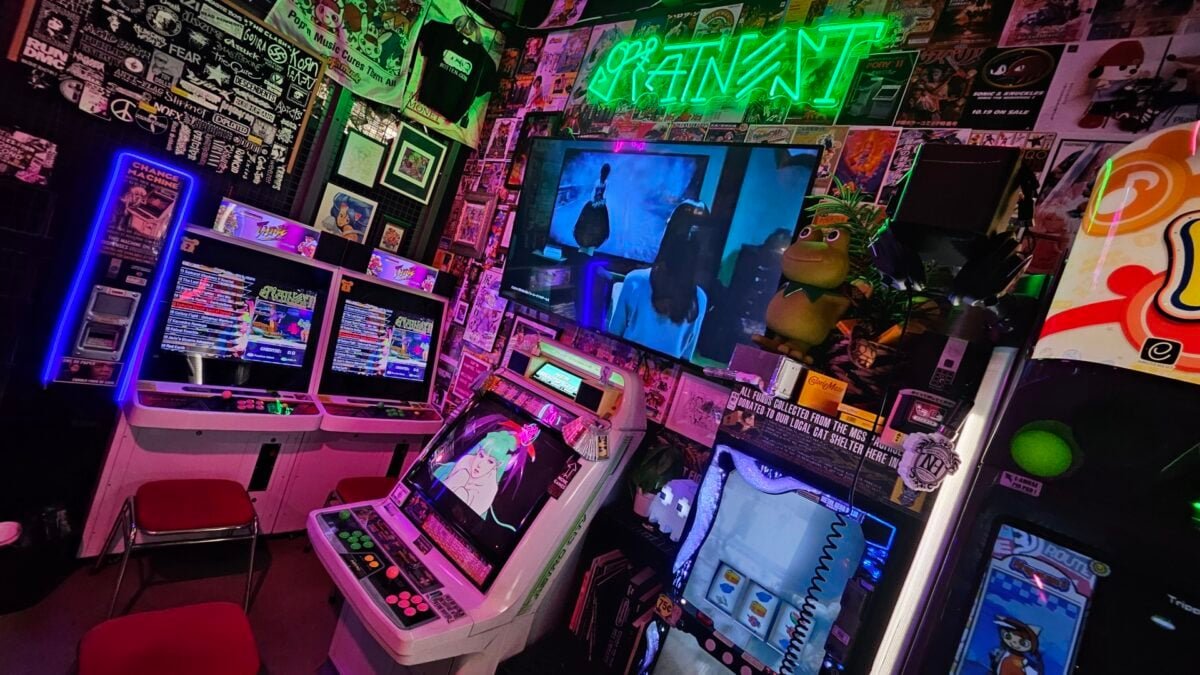
Independent stores play a crucial role in the landscape of physical media. These establishments often serve as community hubs, offering curated selections, expert advice, and a personalized shopping experience that larger chain stores or digital platforms cannot replicate. For the **physical media resurgence** to gain further traction, particularly in gaming, the health and adaptability of these independent retailers are paramount.
However, independent stores face significant barriers in a market dominated by digital distribution and large online retailers. These challenges include:
- Supply Chain and Inventory: Securing sufficient stock of desirable physical releases, especially in an era where print runs for games might be limited, can be difficult. Managing inventory efficiently with finite shelf space is also a constant concern.
- Competition: Independent stores compete directly with major digital storefronts that offer instant access and frequent sales, as well as with large brick-and-mortar retailers that can leverage economies of scale.
- Economic Pressures: Operating costs, including rent, utilities, and staffing, remain high, while profit margins on physical media can be tight, especially after distributor costs.
- Adapting to Niche Markets: To survive, many independent stores must specialize, catering to specific niches like retro games, collectors’ editions, or imports, requiring deep market knowledge.
- Consumer Awareness: Raising awareness about the unique value and availability of physical media, particularly to younger generations accustomed to digital-first consumption, is an ongoing effort.
Supporting these stores, either through direct consumer purchases or industry initiatives, would be essential for any significant shift back towards physical distribution in gaming, providing accessible points of sale for hard copies.
Why This Trend Matters
The observable interest from Gen Z in physical media highlights a significant consumer demand for diverse methods of content acquisition and ownership. It serves as a critical indicator that consumers, even those who grew up with digital technology, appreciate the tangible benefits and permanence offered by physical formats. For the gaming industry, this **physical media resurgence** is not merely a nostalgic echo but a potential signal to re-evaluate long-term strategies, particularly regarding game preservation, intellectual property longevity, and fostering deeper consumer trust and satisfaction.
Recognizing and responding to this trend could position gaming companies to build more resilient business models that cater to a broader range of consumer preferences, potentially unlocking new revenue streams through collector’s editions, remastered physical releases, and partnerships with independent retailers. It emphasizes that while digital convenience is valued, it does not necessarily negate the desire for something more substantial and enduring.
Looking Ahead
The discussions sparked by Gen Z’s interest in physical media are likely to intensify as the entertainment landscape continues to evolve. For the gaming industry, this may lead to several future developments:
- Hybrid Distribution Models: Publishers might increasingly explore strategies that blend robust digital ecosystems with carefully curated physical releases, offering consumers the best of both worlds. This could include limited physical runs for popular titles, collector’s editions, or even “physical only” releases for certain retro or indie games.
- Renewed Focus on Game Preservation: The conversation may galvanize industry efforts to establish more comprehensive game preservation initiatives, potentially involving physical archiving alongside digital efforts to ensure titles remain playable for future generations.
- Independent Store Adaptations: Independent game stores will likely continue to innovate, focusing on unique offerings, community building, and becoming destinations for rare, retro, or specialized physical games. Their ability to adapt will be key to their continued relevance.
- Consumer Advocacy: Debates around digital ownership versus physical rights are expected to continue, with consumer groups advocating for greater transparency and more options from developers and publishers.
The observed trend among Gen Z for physical media offers a compelling blueprint for the gaming industry to consider a more balanced and consumer-centric approach to content distribution, ensuring the longevity and accessibility of gaming experiences for years to come.
Source: https://kotaku.com/dvds-zoomers-physical-media-retro-games-2000674865
About the Author