Examining Heightened US-Iran Tensions Following Strategic Military and Diplomatic Actions
Washington, D.C. | January 23, 2020
A series of significant military and diplomatic actions undertaken by the United States and Iran has led to a critical escalation of US-Iran tensions in the Middle East. These developments have prompted global concern over regional stability, particularly following the U.S. airstrike that killed Iranian Major General Qassem Soleimani and subsequent retaliatory missile strikes by Iran against Iraqi bases housing U.S. troops.
The current period of heightened US-Iran tensions stems from a complex interplay of policy decisions, military maneuvers, and economic pressures that have unfolded over several years. Central to this escalation was the Trump administration’s decision in May 2018 to withdraw from the Joint Comprehensive Plan of Action (JCPOA), commonly known as the Iran nuclear deal. This withdrawal reversed the Obama-era policy of engagement and initiated a “maximum pressure” campaign aimed at compelling Iran to negotiate a new, broader agreement addressing its nuclear program, ballistic missile development, and regional activities.
Key Details of Escalation
The U.S. withdrawal from the JCPOA was accompanied by the re-imposition and expansion of stringent economic sanctions on Iran. These sanctions targeted Iran’s oil exports, financial sector, and key industries, significantly impacting the Iranian economy. The stated goal of these measures was to deprive Iran of resources believed to fund its regional proxy networks and nuclear ambitions. In April 2019, the U.S. further escalated pressure by designating Iran’s Islamic Revolutionary Guard Corps (IRGC) as a foreign terrorist organization, a move unprecedented for a state-sponsored military.
Throughout 2019, the region experienced a series of incidents that progressively intensified US-Iran tensions. In May and June, several commercial oil tankers in the Gulf of Oman were attacked, with the U.S. and its allies attributing responsibility to Iran. These incidents included damage to vessels and the seizure of a British-flagged tanker by Iran in July. Simultaneously, U.S. intelligence reported increased Iranian-backed militia activity in Iraq, including rocket attacks near U.S. interests.
A major flashpoint occurred in September 2019 when drone and cruise missile attacks targeted critical oil facilities in Saudi Arabia, temporarily disrupting global oil supplies. The U.S. and Saudi Arabia explicitly blamed Iran for these attacks, although Iran denied direct involvement. This incident further solidified the perception of an escalating shadow conflict between Washington and Tehran.
December 2019 saw a significant acceleration of events in Iraq. On December 27, a rocket attack on a U.S.-Iraqi base near Kirkuk killed a U.S. contractor and wounded several U.S. and Iraqi service members. The U.S. attributed this attack to Kataib Hezbollah, an Iran-backed militia. In response, on December 29, the U.S. launched retaliatory airstrikes against Kataib Hezbollah facilities in Iraq and Syria, reportedly killing dozens of fighters.
These U.S. strikes provoked a violent reaction in Baghdad. On December 31, thousands of Iraqi protesters, many identified as members of Iran-backed militias, stormed the U.S. Embassy compound. While they did not breach the main embassy buildings, the incident marked a dramatic increase in direct confrontation and underscored the fragility of U.S. presence in Iraq amid rising US-Iran tensions.
The most decisive action in this period occurred on January 3, 2020. A U.S. drone strike near Baghdad International Airport killed Major General Qassem Soleimani, the commander of the IRGC’s Quds Force, and Abu Mahdi al-Muhandis, a leader of Kataib Hezbollah. The Pentagon stated that Soleimani was actively developing plans to attack American diplomats and service members in Iraq and across the region, and that the strike was intended to deter future Iranian attack plans.
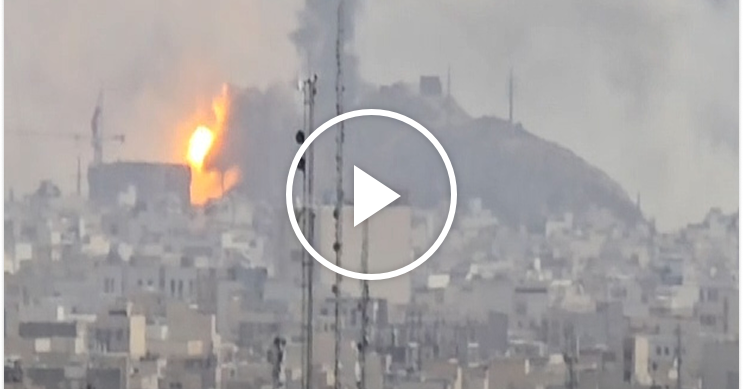
Iran condemned the killing as an act of state terrorism and vowed “harsh revenge.” On January 8, Iran launched more than a dozen ballistic missiles at two Iraqi military bases housing U.S. and coalition forces, Ain al-Assad and Erbil. Iranian state media claimed dozens of casualties, but U.S. officials reported no immediate fatalities. However, subsequent reports indicated that over 100 U.S. service members sustained traumatic brain injuries. Iran declared the missile strikes an act of “proportional response” and stated that it considered the matter concluded, unless further aggression occurred.
Further tragedy struck on January 8 when Ukraine International Airlines Flight 752 crashed shortly after takeoff from Tehran, killing all 176 people on board. Initial Iranian denials of responsibility later shifted, with Iran admitting that its military had accidentally shot down the plane amid heightened air defense alerts following its missile strikes against U.S. forces.
Why It Matters
The escalation of US-Iran tensions carries profound implications for global security and stability. The direct military confrontations risked wider regional conflict, potentially drawing in other global powers and further destabilizing an already volatile Middle East. The ongoing sanctions and counter-measures also have significant economic consequences, particularly for international energy markets and the stability of global supply chains, due to the strategic importance of the Strait of Hormuz for oil shipments.
What’s Next
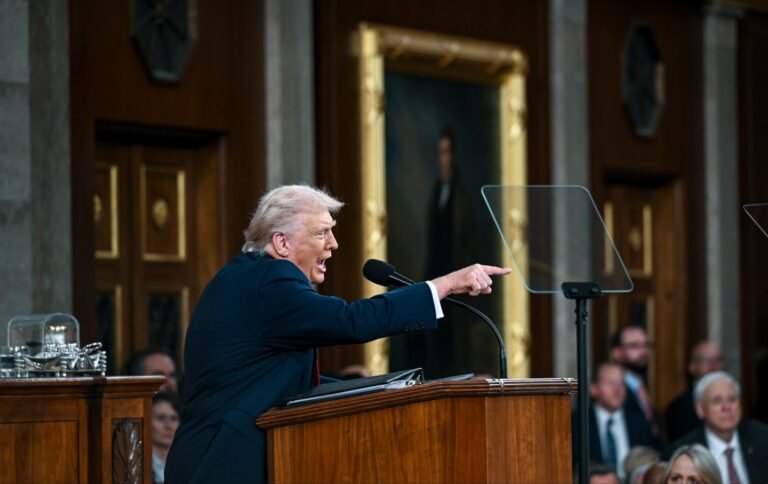
In the immediate aftermath of the January incidents, both the United States and Iran signaled a desire to de-escalate, at least in direct military confrontations. U.S. officials indicated that no further military action against Iran was planned unless provoked. However, President Trump announced additional economic sanctions on Iran targeting its metals industries, further tightening the “maximum pressure” campaign.
The trajectory of future US-Iran tensions remains uncertain. International calls for diplomacy and restraint have intensified, with European powers and the United Nations urging both sides to pursue de-escalation through dialogue. The potential for renewed proxy conflicts in Iraq, Syria, and Yemen persists, as does Iran’s continued development of its missile program and its stated intention to reduce its commitments under the JCPOA further. The long-term impact on the nuclear deal, regional alliances, and global energy security continues to be a subject of ongoing analysis and strategic planning.
Source: https://www.nytimes.com/video/us/politics/100000010744046/trumps-war-of-choice-with-iran.html
About the Author