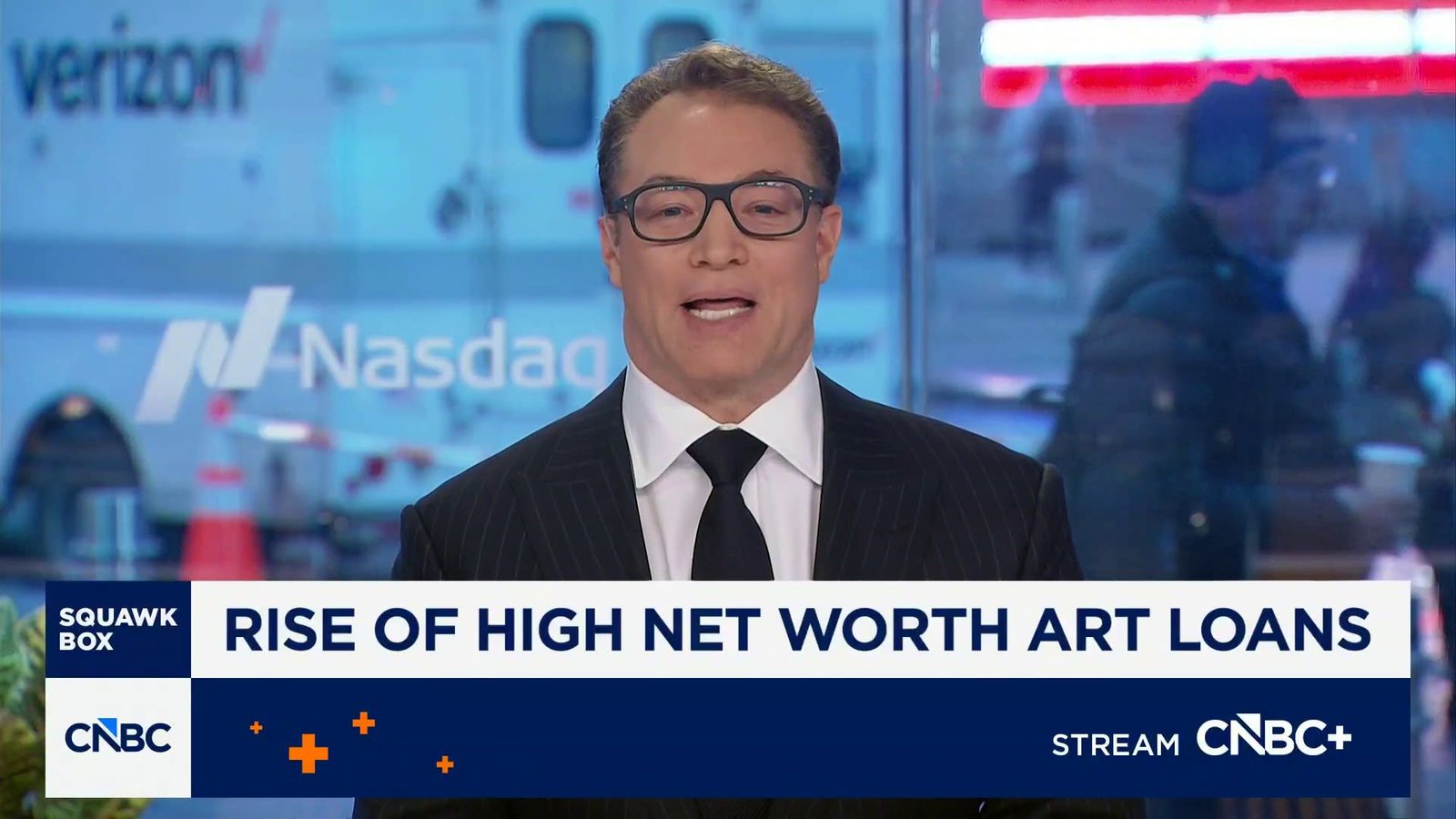
Art-Backed Loans See Significant Growth Among High-Net-Worth Individuals
New York, NY | October 26, 2023
The financial landscape for high-net-worth individuals is increasingly witnessing a significant expansion in the market for art-backed loans. This specialized form of lending allows wealthy collectors to secure capital against the value of their valuable art collections, providing liquidity without necessitating the sale of treasured assets.
This growing sector reflects an evolving approach to wealth management, where luxury assets like fine art are leveraged not merely for aesthetic appreciation or investment potential, but also as a direct financial tool. The trend underscores a broader integration of art into comprehensive financial planning strategies for the affluent.
Key Details of the Expanding Art-Backed Loan Market
Art-backed loans, also known as art lending or luxury asset financing, serve a distinct segment of the financial market. The primary participants in this ecosystem are:
- Borrowers: High-net-worth (HNW) and ultra-high-net-worth (UHNW) individuals, often seasoned art collectors, who seek access to capital while retaining ownership of their artworks. They typically utilize these funds for a variety of purposes, including new investments, real estate purchases, business ventures, or managing other liquidity needs.
- Lenders: The market comprises a mix of financial institutions. Traditional private banks, often through their wealth management divisions, have long offered these services. More recently, specialized art finance companies and even major auction houses have significantly expanded their lending operations, leveraging their expertise in art valuation and market dynamics.
The Mechanics of Art-Backed Lending
The process of securing an art-backed loan involves several key steps and considerations:
- Asset Valuation: Central to any art-backed loan is the accurate valuation of the artwork or collection. This typically involves appraisals by multiple independent art experts or in-house specialists at lending institutions. Factors such as artist reputation, provenance, condition, rarity, and market demand heavily influence the appraised value.
- Loan-to-Value (LTV) Ratios: Lenders generally provide a loan amount that is a percentage of the artwork’s appraised value. These loan-to-value ratios typically range from 30% to 50%, varying based on the lender, the liquidity of the specific artwork, and market conditions.
- Due Diligence: Lenders conduct extensive due diligence on the artwork’s authenticity, ownership history (provenance), and legal status to mitigate risks.
- Collateral Management: As the artwork serves as collateral, it is often required to be stored in a climate-controlled, secure, and insured facility, often designated by the lender. Ownership remains with the borrower, but the lender holds a security interest.
- Interest Rates and Terms: Interest rates for art-backed loans are generally competitive with other forms of secured lending. Terms can vary, from short-term bridge loans to multi-year facilities, often tailored to the borrower’s specific financial objectives.
Drivers of Market Growth
Several factors contribute to the increasing popularity of art-backed loans:
- Liquidity Without Divestment: For collectors, art is often a deeply personal asset. These loans provide a critical avenue for accessing liquidity without being forced to sell cherished pieces, which might be challenging to replace or hold sentimental value.
- Rising Art Market Values: Sustained growth in the global art market has increased the overall value of private collections, making them more attractive as collateral.
- Diversification of Wealth Management: High-net-worth individuals are increasingly seeking sophisticated financial tools to optimize their asset portfolios. Art lending offers a non-traditional yet effective way to unlock capital from illiquid assets.
- Discretion and Speed: Compared to traditional asset sales, obtaining an art-backed loan can offer greater discretion and potentially a faster route to capital, particularly with specialized lenders.
Why Art-Backed Loans Matter
The rise of art-backed loans signifies a broader shift in how wealth is managed and perceived. It solidifies art’s position not only as a cultural artifact or an investment vehicle but also as a flexible financial instrument. This trend provides affluent individuals with enhanced financial agility, enabling them to respond to market opportunities or manage personal finances without disrupting their art collections.
The growing financialization of art also influences the broader art market, potentially increasing overall market liquidity and contributing to the professionalization of art as an asset class. It highlights the increasing integration of specialized financial products within the luxury goods sector.
What’s Next for Art-Backed Lending
The trajectory for art-backed loans suggests continued innovation and expansion. Lenders are expected to further refine their offerings, potentially introducing more flexible structures and digital solutions for asset management and valuation. As the global high-net-worth population continues to grow, and art investment becomes more mainstream, the demand for these specialized financial products is likely to intensify.
Regulatory frameworks may also evolve to address the unique complexities of lending against art, particularly concerning cross-border transactions and valuation standards. The interplay between traditional banking services, specialized art finance firms, and auction house financial arms will continue to shape the competitive landscape, potentially driving further efficiency and accessibility in this niche but rapidly expanding market.
Source: https://www.cnbc.com/video/2026/02/27/rise-of-high-net-worth-art-loans-heres-what-to-know.html
About the Author