Corporate Engagement with Black History Month Shifts Amidst Evolving Social Climate
NEW YORK | February 29, 2020
Corporate engagement with Black History Month observances has reportedly undergone a noticeable shift, with some observers pointing to a more subdued approach from marketers compared to previous years. This perceived change emerges against a backdrop of increasing scrutiny regarding corporate social responsibility and the authenticity of diversity initiatives during a specific political period.
Key Details
Black History Month, traditionally a period for celebrating the achievements and contributions of African Americans, has evolved significantly in its observance since its inception as Negro History Week in 1926 by Dr. Carter G. Woodson. Officially recognized as Black History Month in 1976, the annual observance in February has grown from grassroots educational efforts to a widespread cultural phenomenon embraced by various institutions, including corporations.
Evolution of Corporate Participation
For decades, particularly in the 21st century, corporations have increasingly participated in Black History Month through a range of activities. These typically include:
- Special advertising campaigns highlighting Black history and culture.
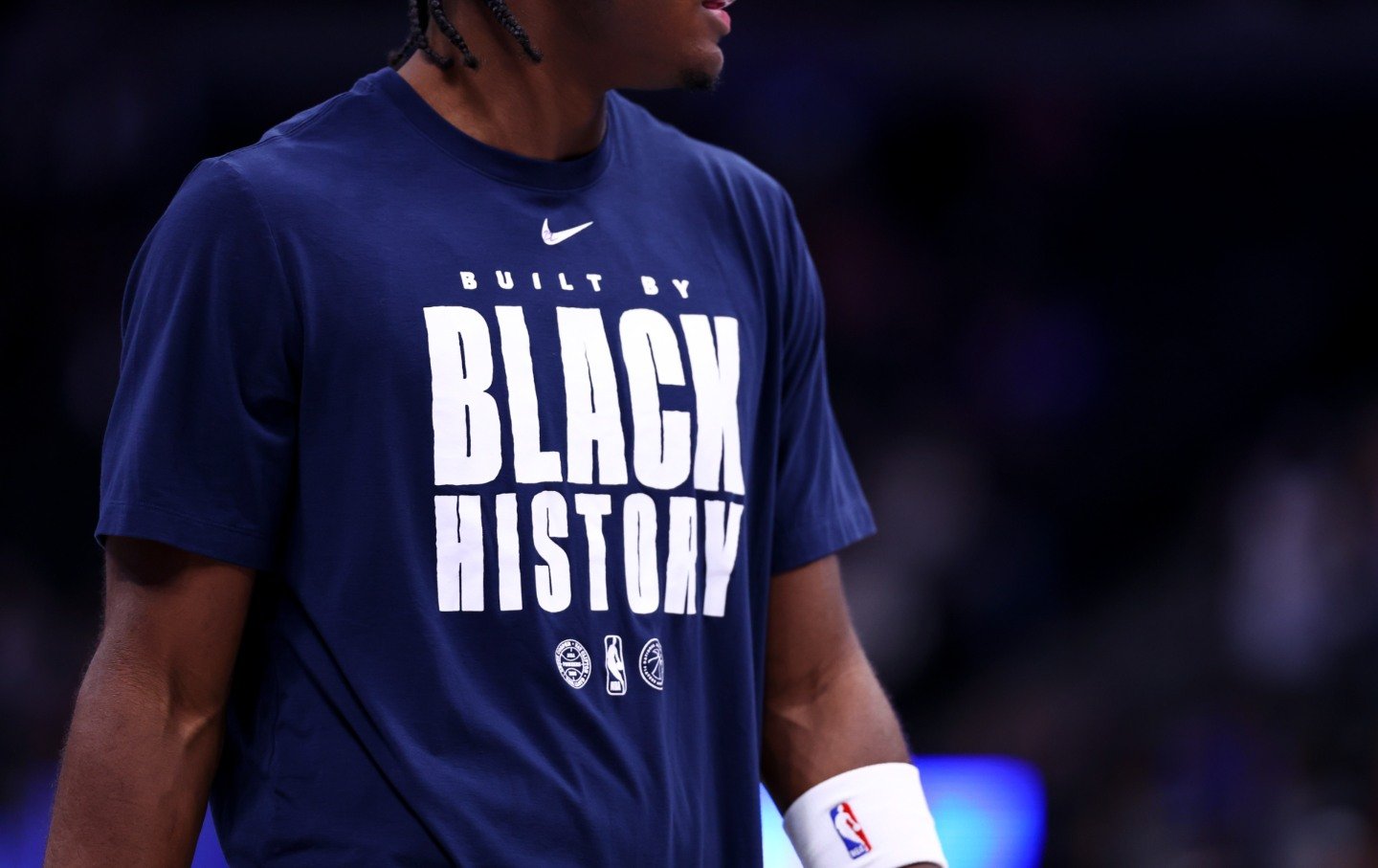
- Limited-edition products or merchandise tied to the observance.
- Donations to civil rights organizations or Black-focused charities.
- Internal corporate events, educational programs, and employee resource group activities.
- Public statements of solidarity and commitment to diversity and inclusion.
This rise in corporate involvement has often been met with mixed reactions. While some view it as a positive step towards greater recognition and support for Black communities, others have criticized it as “performative activism” or “woke washing” – an attempt to capitalize on cultural moments without genuine, sustained commitment to racial equity and systemic change. Critics frequently argue that some corporate efforts during Black History Month lack depth, focusing on superficial gestures rather than addressing fundamental inequalities within their own organizations or in broader society.
Observed Shift in Engagement
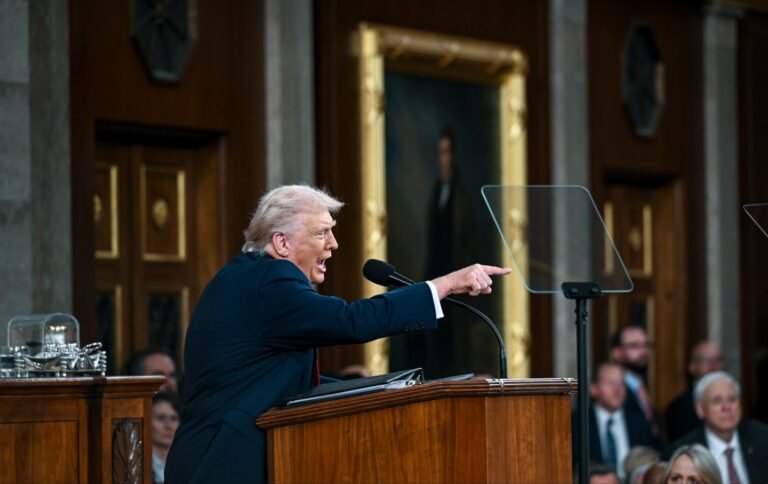
More recently, during a defined political climate often referred to as the “Trump Era,” some commentators have noted a perceived change in the vigor and visibility of corporate Black History Month celebrations. Instead of the robust and often elaborate campaigns seen in prior years, there has been an observation of a more hesitant or muted approach from some corporate marketers. This has led to the assessment that corporate marketers, who previously engaged in what was described as their “very best performances of solidarity,” have seemed “at a loss for words” or less enthusiastic in their public observances.
The exact reasons for this perceived shift are subject to various interpretations. It may reflect a broader cautiousness among brands navigating a highly polarized social and political environment, where any public stance on social issues can draw both praise and intense criticism. Companies might be re-evaluating their strategies for engaging with cultural moments, perhaps seeking to avoid accusations of insincerity or to focus on year-round diversity initiatives rather than concentrated monthly campaigns. Alternatively, it could indicate a strategic recalibration in response to past criticisms of superficial engagement, prompting a move towards more substantive, albeit less publicly vocal, actions.
Why It Matters
The observed shift in corporate Black History Month celebrations holds significant implications for the broader discourse on corporate social responsibility and authentic brand engagement. It highlights the ongoing tension between commercial interests and genuine advocacy, prompting critical questions about the depth of corporate commitment to racial equity. This change can influence public perception of brands, impact the effectiveness of diversity initiatives, and reshape expectations for how companies should engage with vital cultural observances.
What’s Next
Looking ahead, the discussion around corporate involvement in Black History Month and other cultural observances is expected to continue evolving. There will likely be ongoing scrutiny from consumers, activists, and diversity professionals regarding the authenticity and consistency of corporate social responsibility efforts. Companies may face increasing pressure to demonstrate year-round commitments to diversity, equity, and inclusion, moving beyond episodic campaigns to embed these values deeply within their organizational structures and business practices. The future of corporate Black History Month celebrations may lean towards more substantive, less overtly promotional activities, or a re-evaluation of how best to communicate genuine support for social justice in an increasingly complex public sphere.
Source: https://www.thenation.com/article/society/black-history-month-corporate-brands/
About the Author